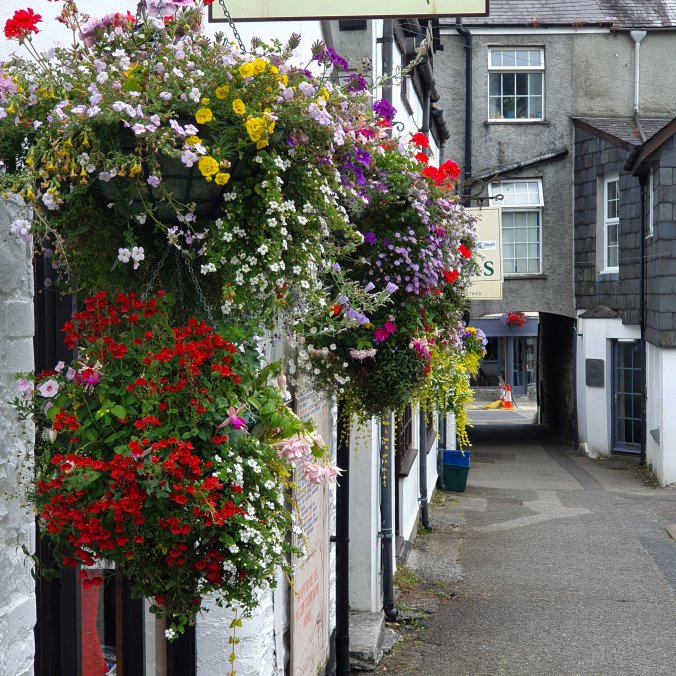
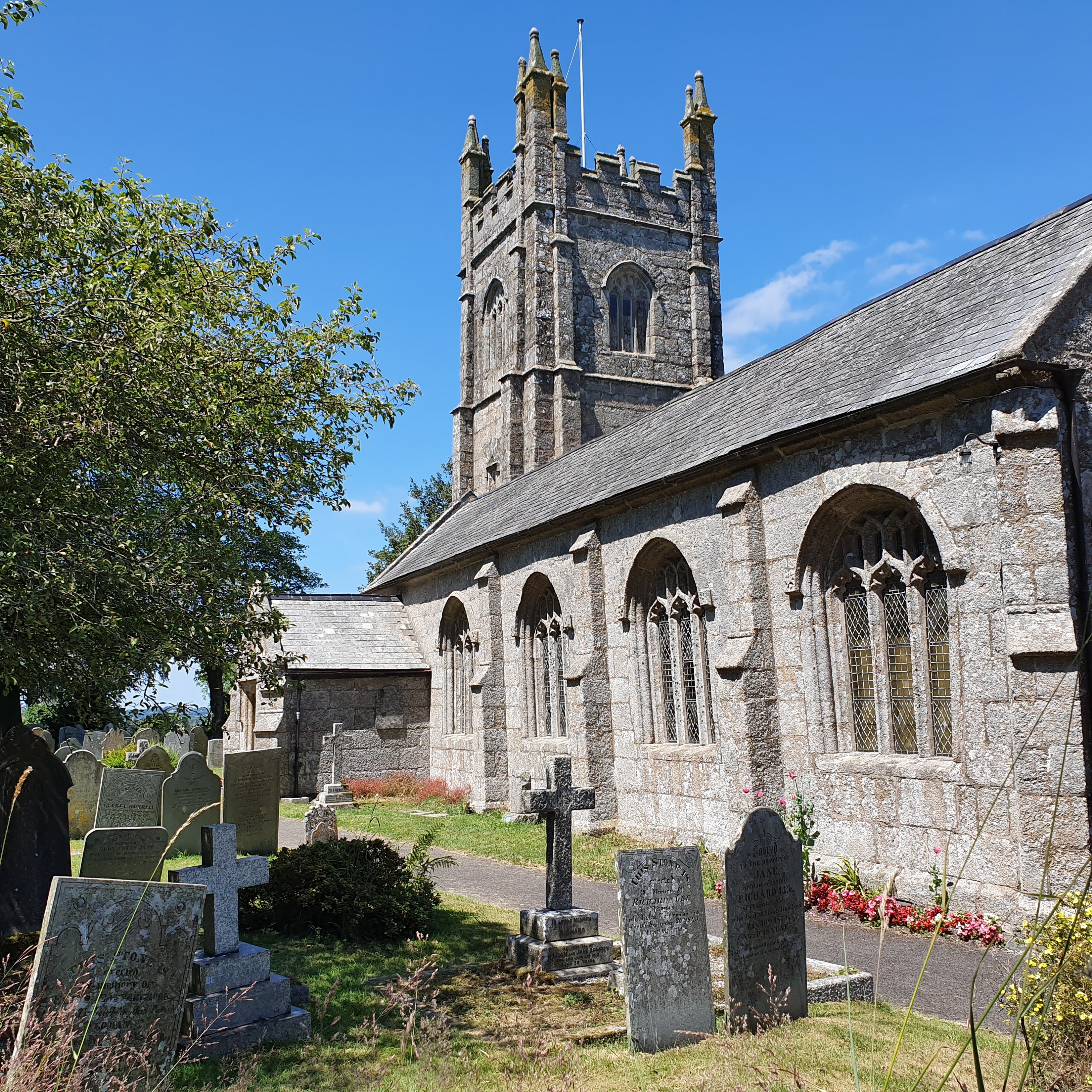
Whilst the MOTH was setting new course records on the Irish golf courses I made the most of the opportunity to spend a chunk of time with my Mum and Sister exploring Devon and Cornwall and retracing some of Mum’s family history. She had been sent to stay with her extended family after her Mum was killed in a car accident when she was four. It was during the war and her Dad was a much needed firefighter in London and therefore she originally spent some time with her cousin and when that proved hard for the family she eventually lived with her grandparents near Dartmoor in Devon. As an adult she made contact with the lady who bought the house from her grandparents and went back for a visit about 20 years ago when the house had hardly changed. Amazingly when the old lady sold the house Mum knew the new owners having taught their daughter in Primary school. They kept in touch, always alluding to a visit to see the house but not until this trip did she actually manage it. The house “Amycroft” held many memories for her, many of them quite unhappy as she was a bewildered little girl who had just lost her Mum and inadvertently her Dad at the tender age of 4 and the house seemed huge and scary to her with a malicious sounding Grandfather Clock that scares her to this day! It was good for her to visit it in it’s newly renovated state and with a much happier family vibe and to be able to tell the new family how the rooms had been used back in the day. As an owner of an old house myself I know how special it is to have some knowledge of the history of the house and the owners that have come before. A visit to the local church to see where my Great grandparents had married and lunch in a pub dripping with hanging baskets topped off a lovely trip down memory lane!
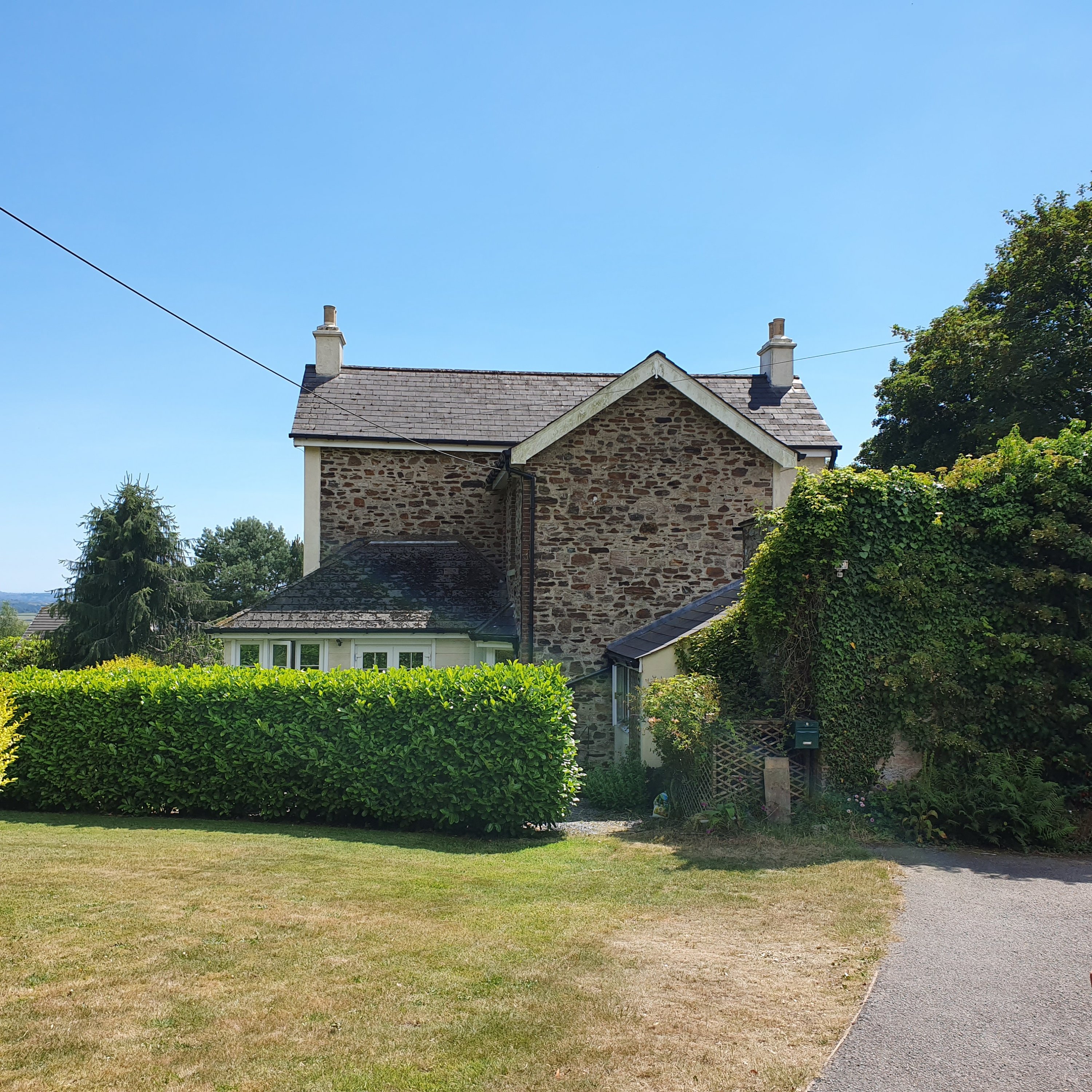
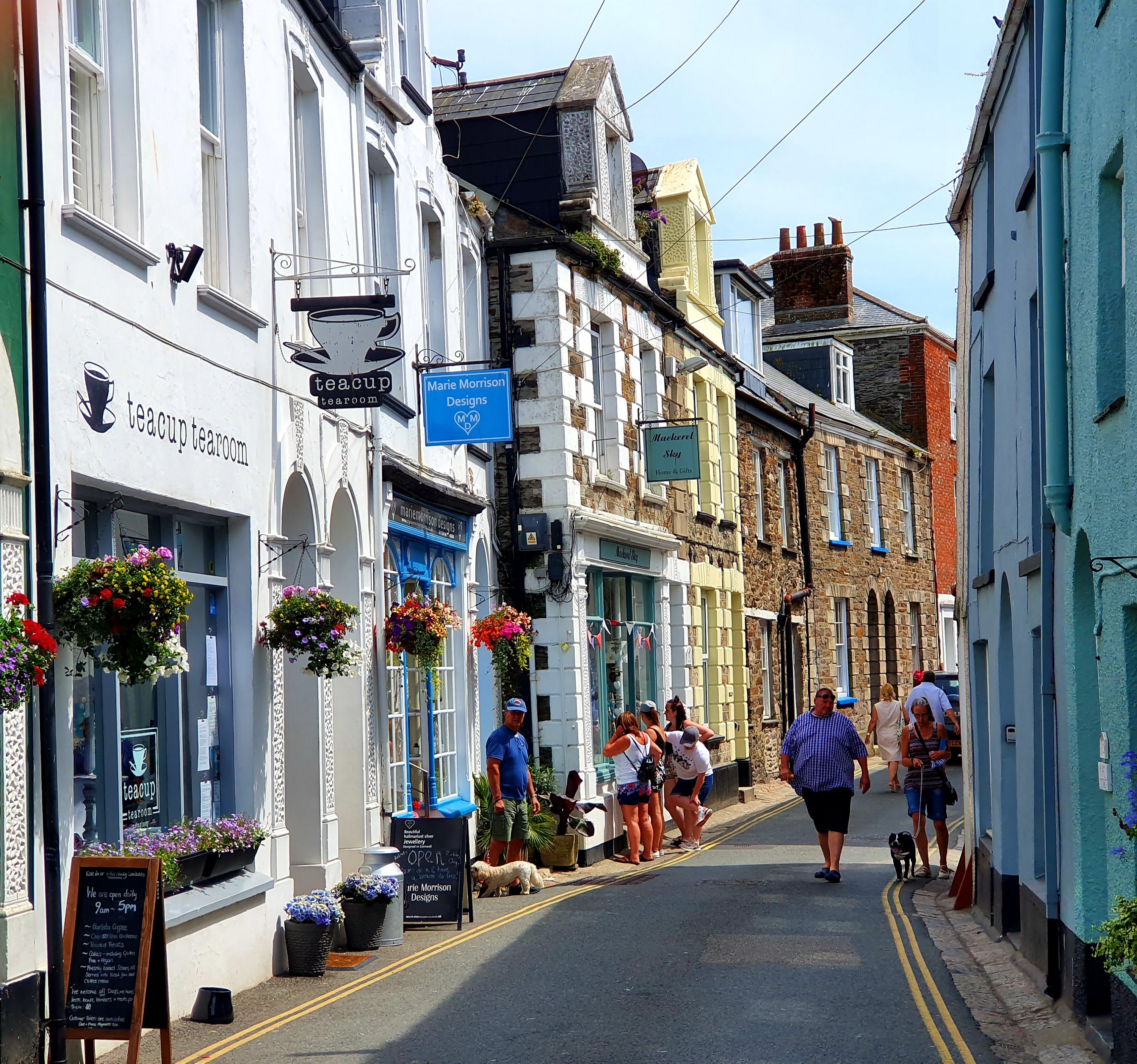
After addressing Part 1 of Mum’s rediscovery tour we moved on to Cornwall and checked into our little townhouse in the middle of beautiful Mevagissey. It’s a tiny little fishing port on the Cornish coast with little whitewashed houses tumbling down the cliffs towards the harbour. To me it was the quintessential little English seaside town I was hoping for. A few little shops to bimble around with some lovely restaurants and a couple of pubs to cover all your dining needs. It was beautifully located between beaches and glorious countryside and you could sit for hours on the harbour looking at all the comings and goings of the fishing boats, tourists relishing their ice creams in the warm sunshine and the ever screeching seagulls looking for a tasty scrap.
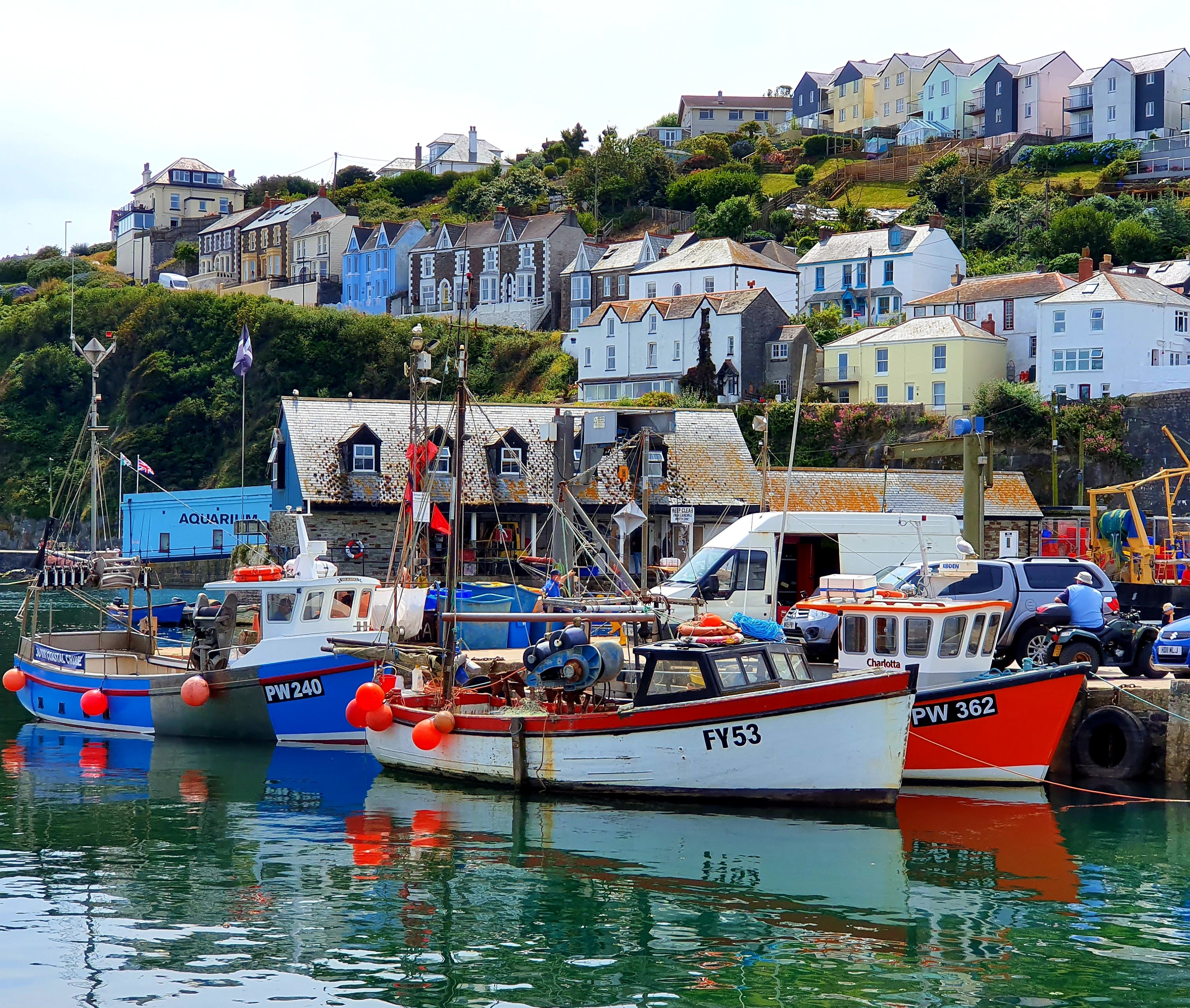
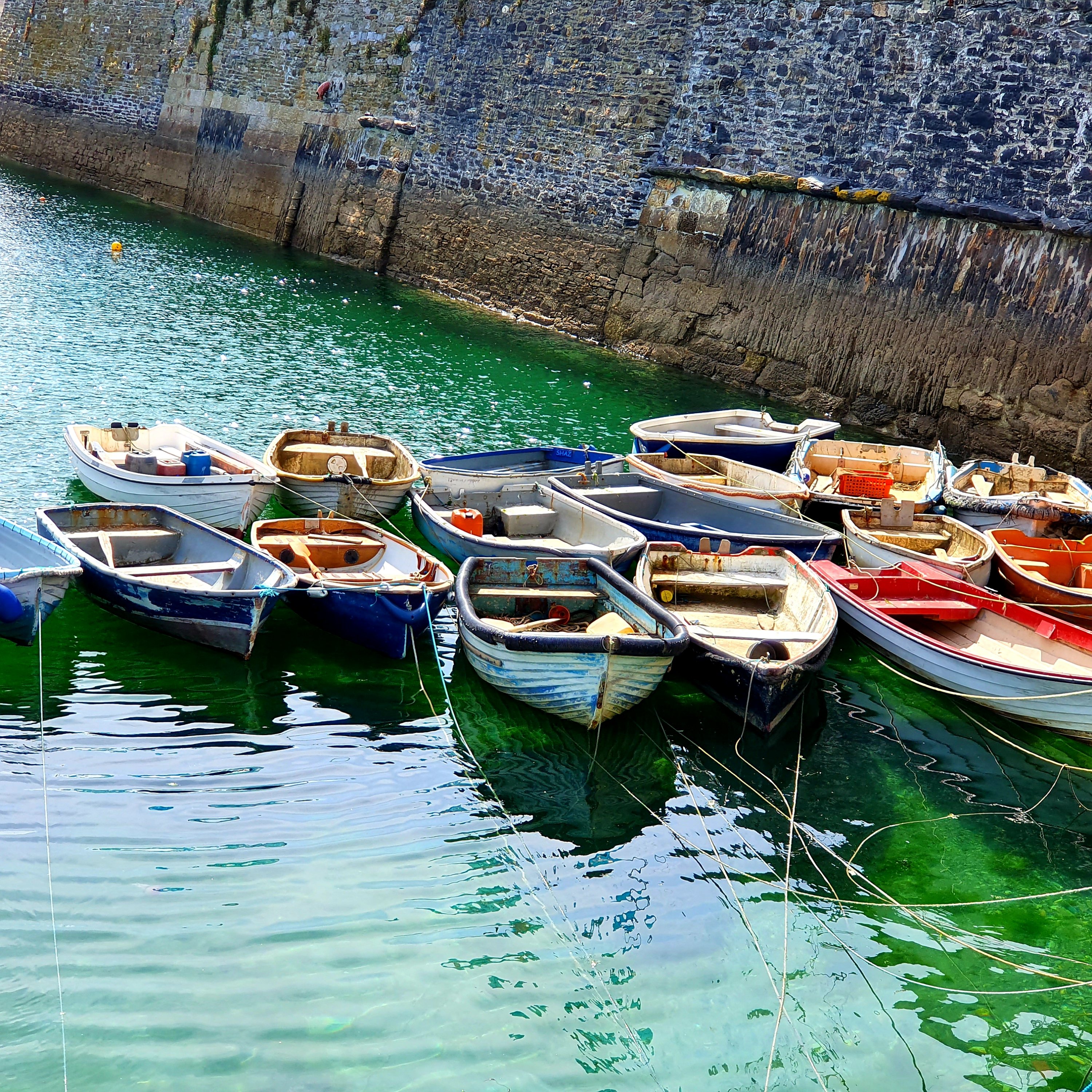
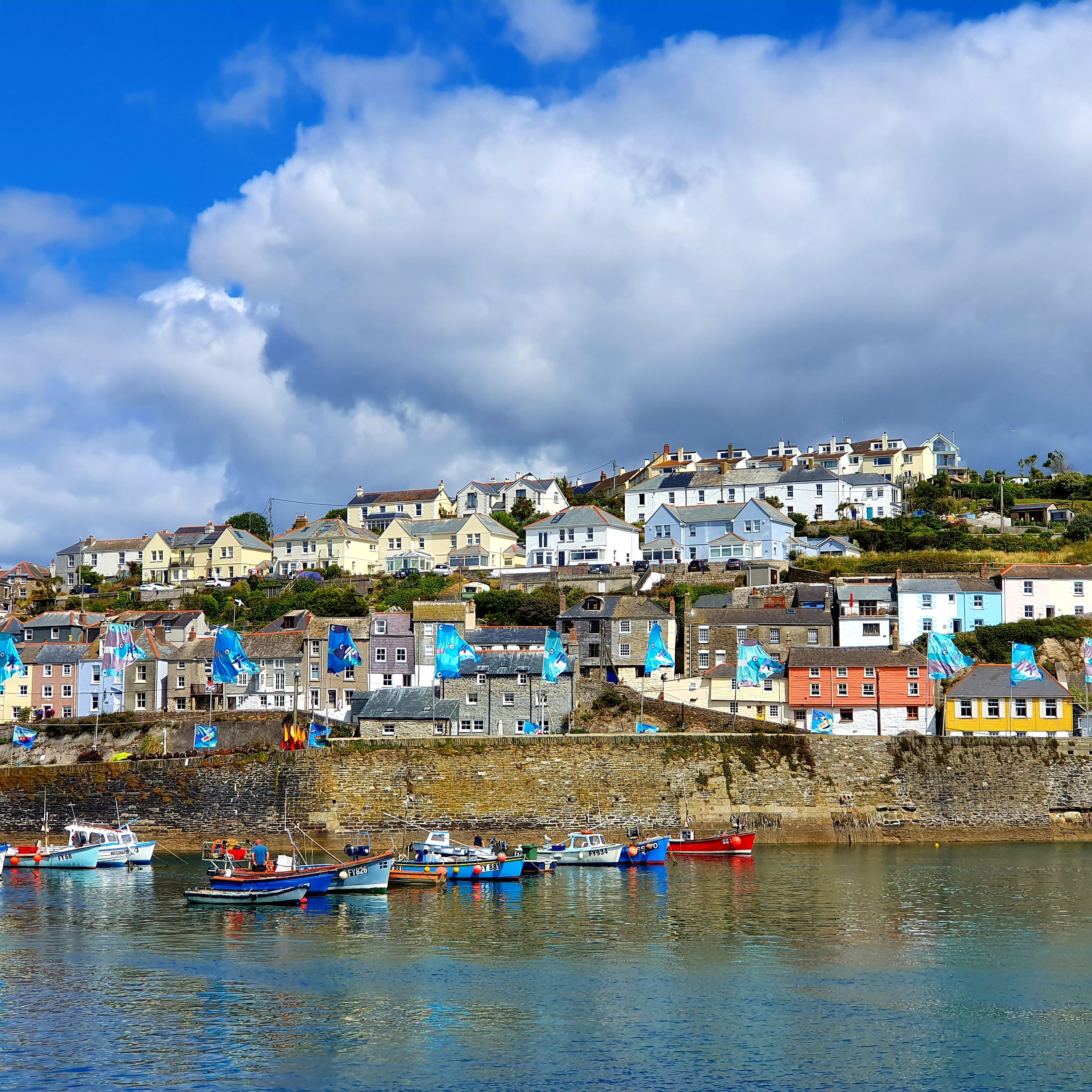
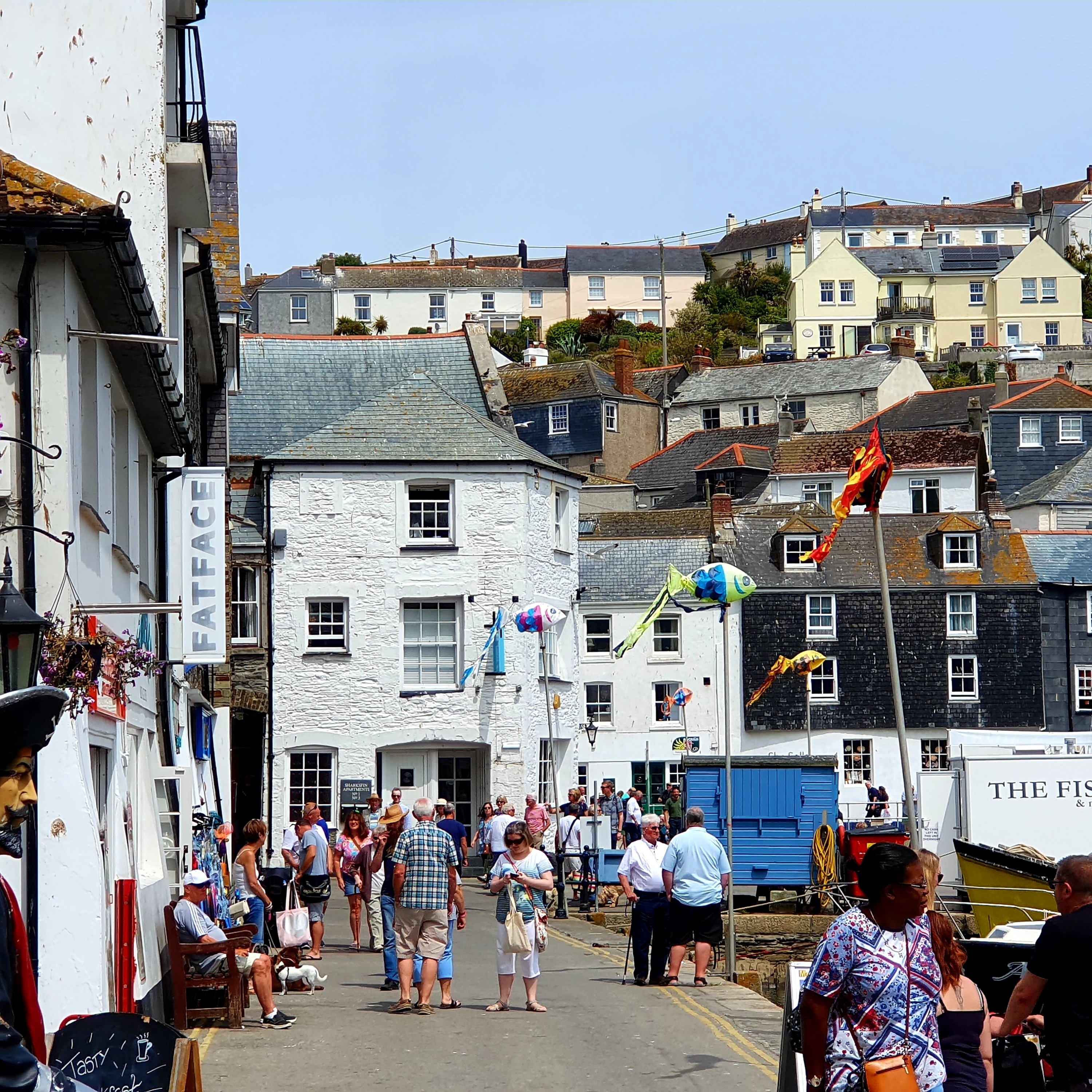
We were excited to only be a few miles away from The Lost Gardens of Heligan with its rather romantic story of a garden overgrown for centuries and rediscovered about 25 years ago when someone happened upon a rusty pair of scissors on a stone wall and with their interest piqued went onto uncover a door, half open, beckoning them within…..
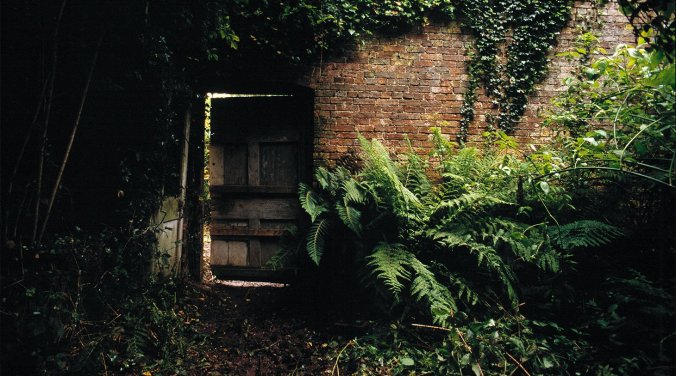
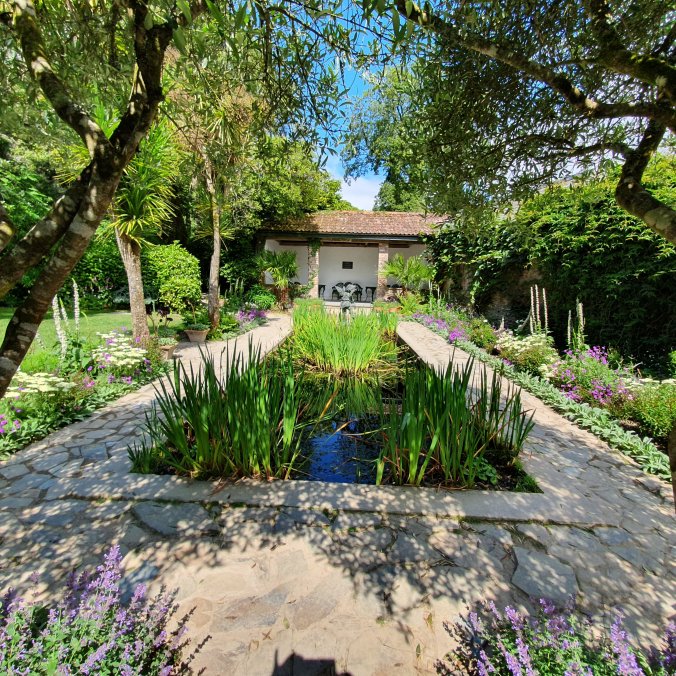
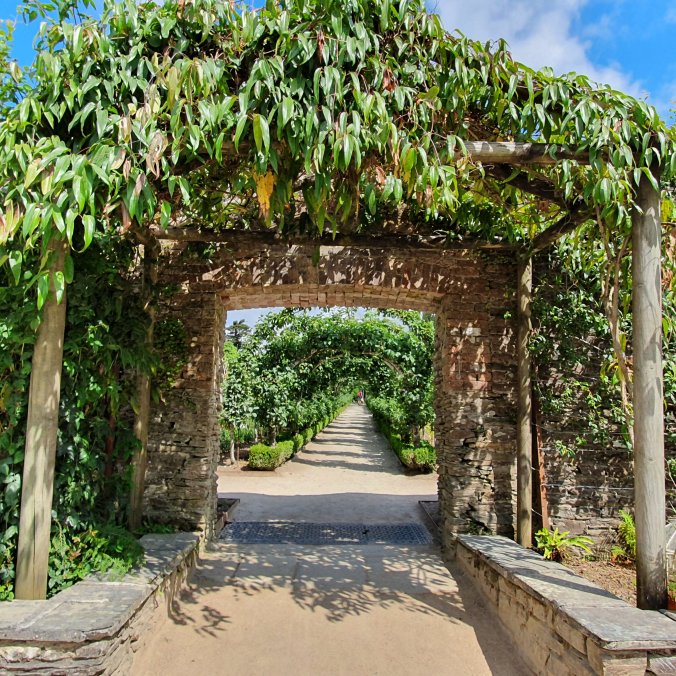
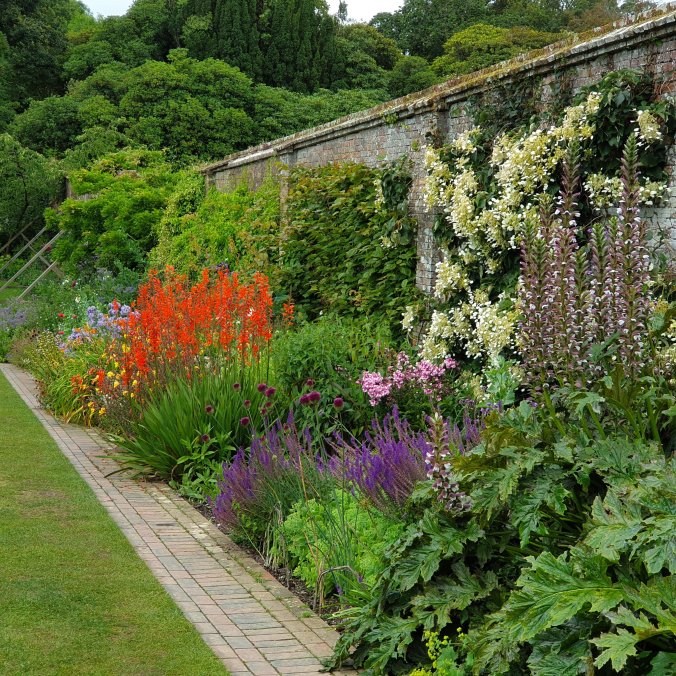
Heligan, seat of the Tremayne family for more than 400 years, is one of the most mysterious and romantic estates in England. A genuine secret garden, it was lost for decades; its history consigned to overgrowth. At the end of the nineteenth century Heligan’s thousand acres were at their zenith, but only a few years later bramble and ivy were already drawing a green veil over this “Sleeping Beauty”. The outbreak of WW1 was the start of the estate’s demise as its workforce went off to fight in the trenches. Twenty-five years ago, Heligan’s historic gardens were unknown and unseen; lost under a tangle of weeds Today, The Lost Gardens have been put back where they belong: in pride of place among the finest gardens in Cornwall.

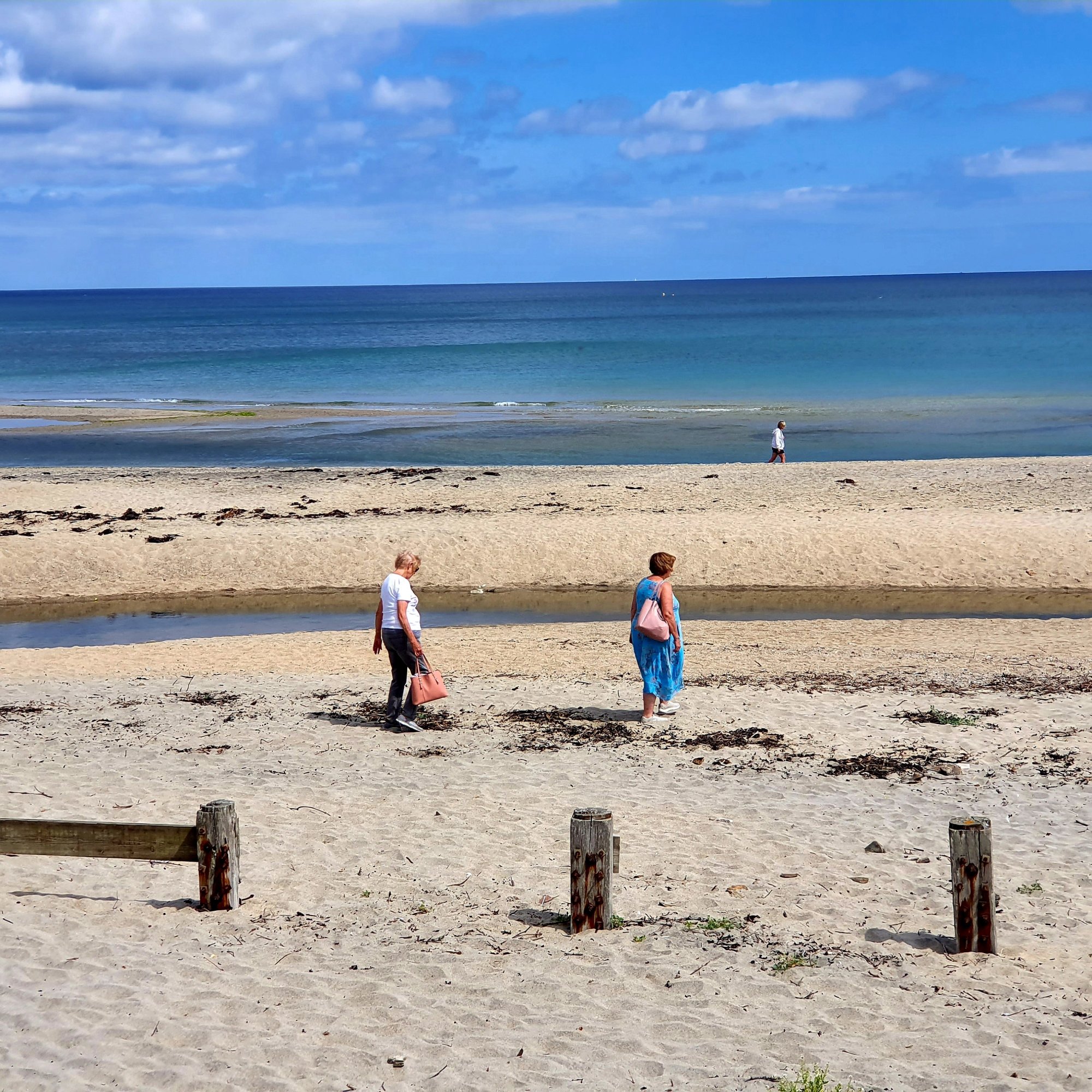
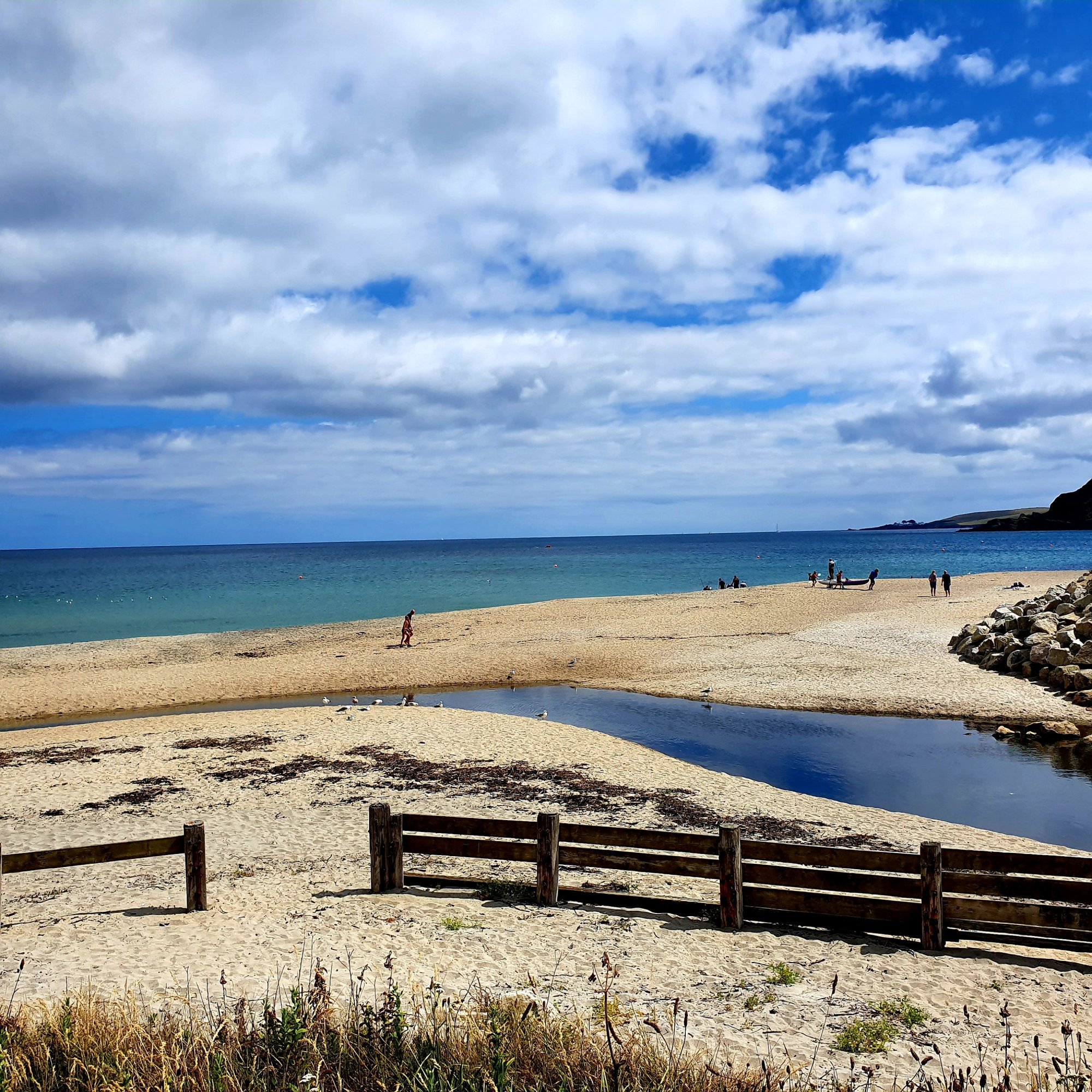
Pentewan Beach located just a couple of miles from The Gardens was the summer holiday spot for my Mum as a youngster. Their very basic family caravan was one of only about a dozen that were kept permanently on the beach site back then and she has some very fond memories of good times spent in the sun on this lovely stretch of sand. The village is super tiny with just one pub and a general store/café to it’s name but everyone seemed to have a great time back then despite having none of today’s expected holiday amenities. Incidentally who says English beaches are rubbish? Not a pebble in sight here….
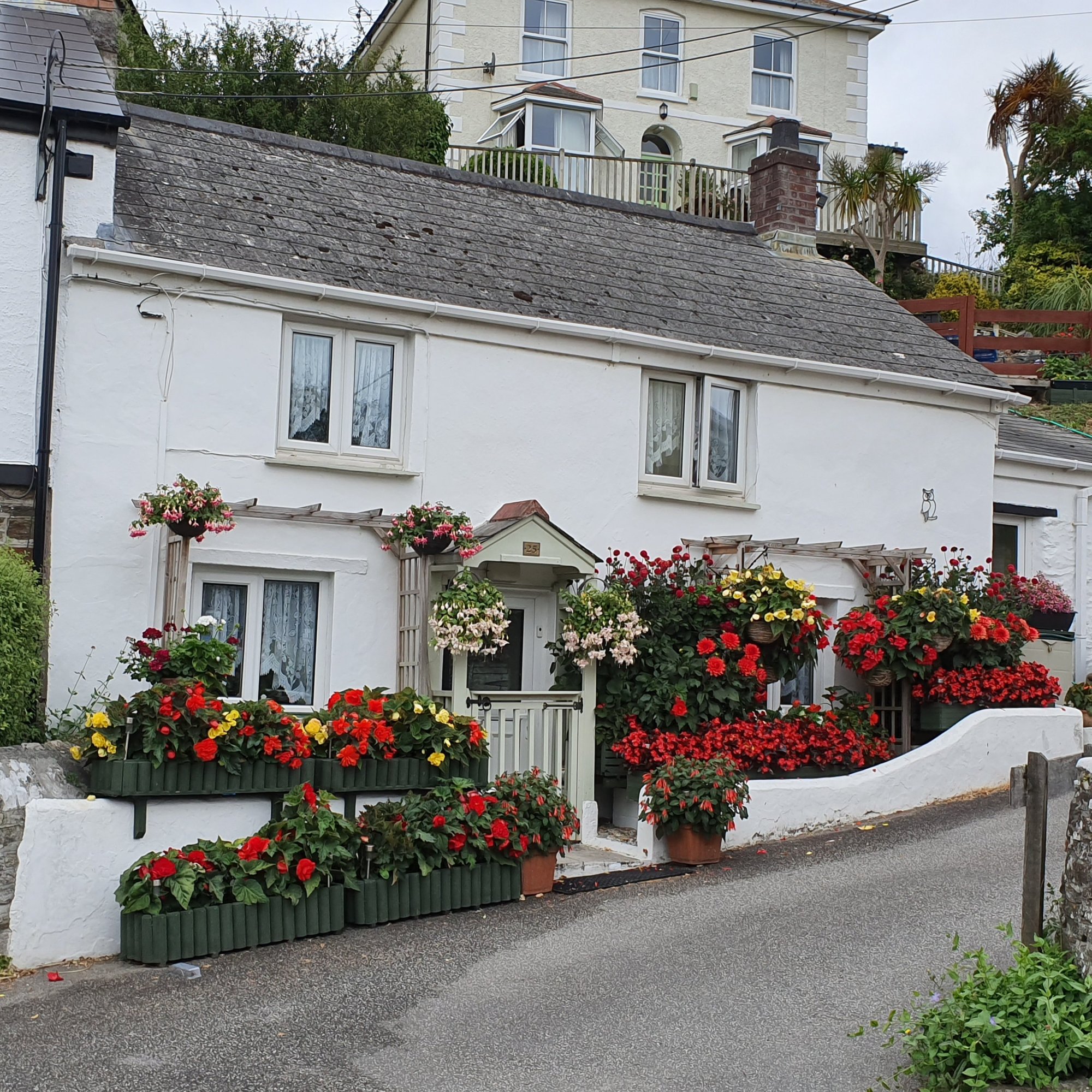
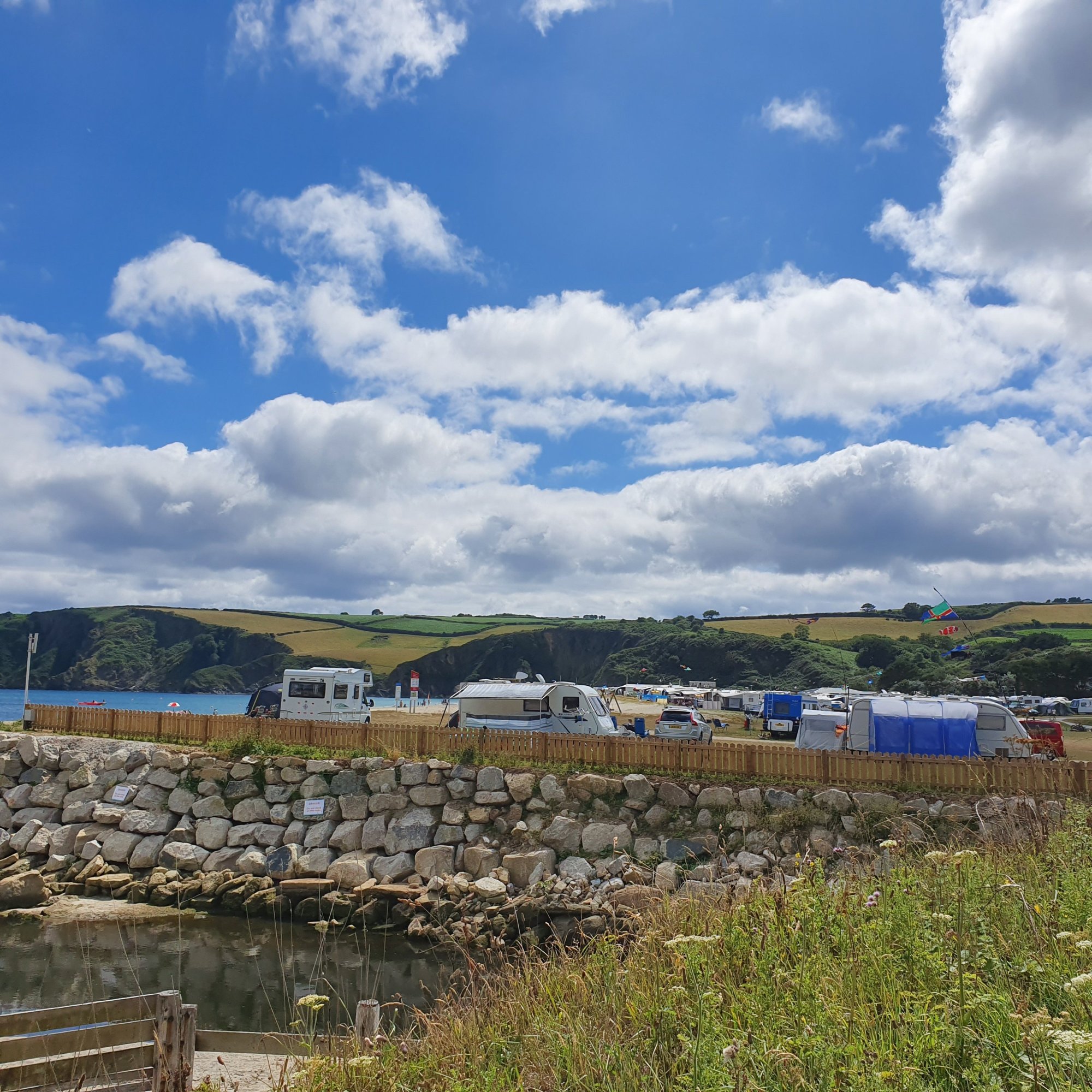
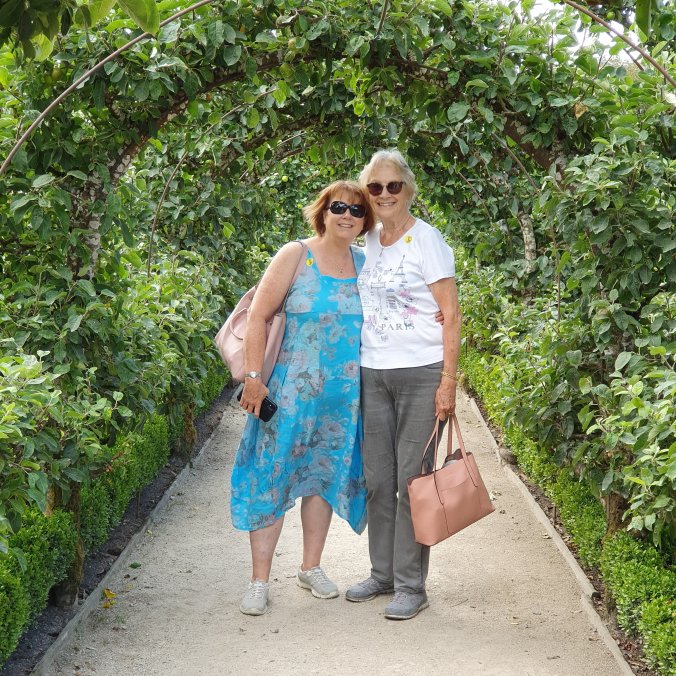
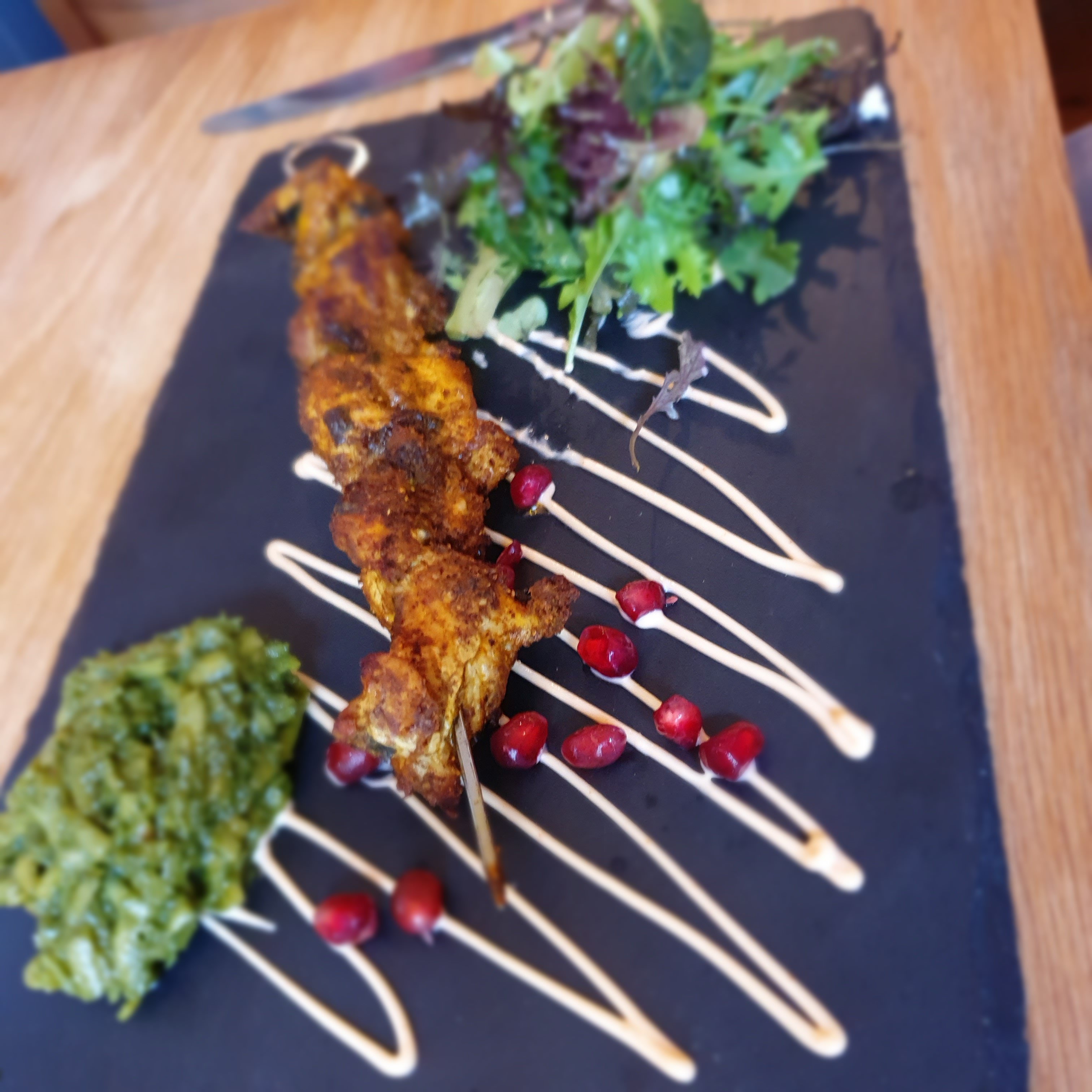
‘Meva’ as we began to call it was a really quaint little village with a surprising amount of eateries which we made full use of. It was so nice not to have to get into the car to go anywhere and we really felt relaxed, enjoying each other’s company and laughing and chatting as only girls can!


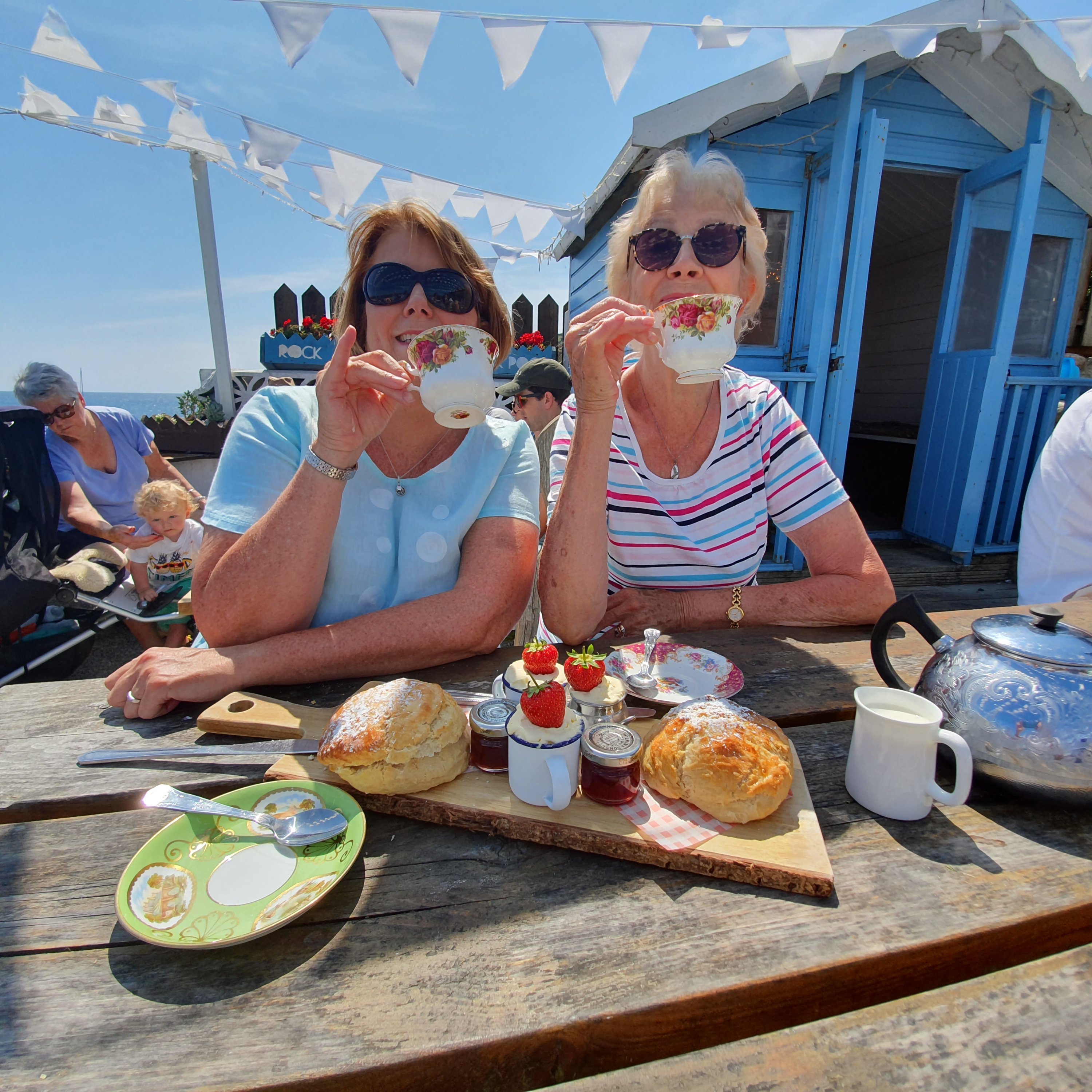
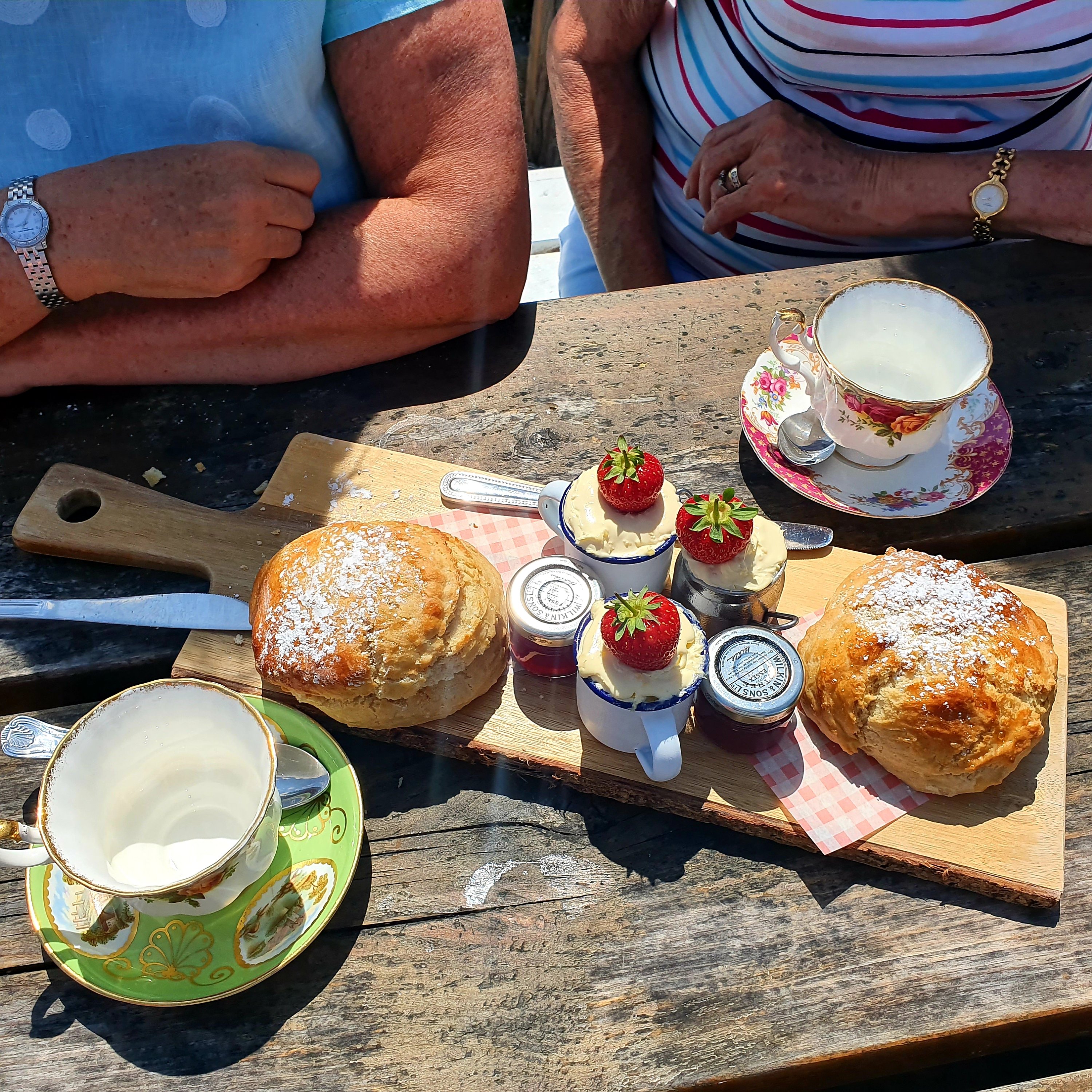
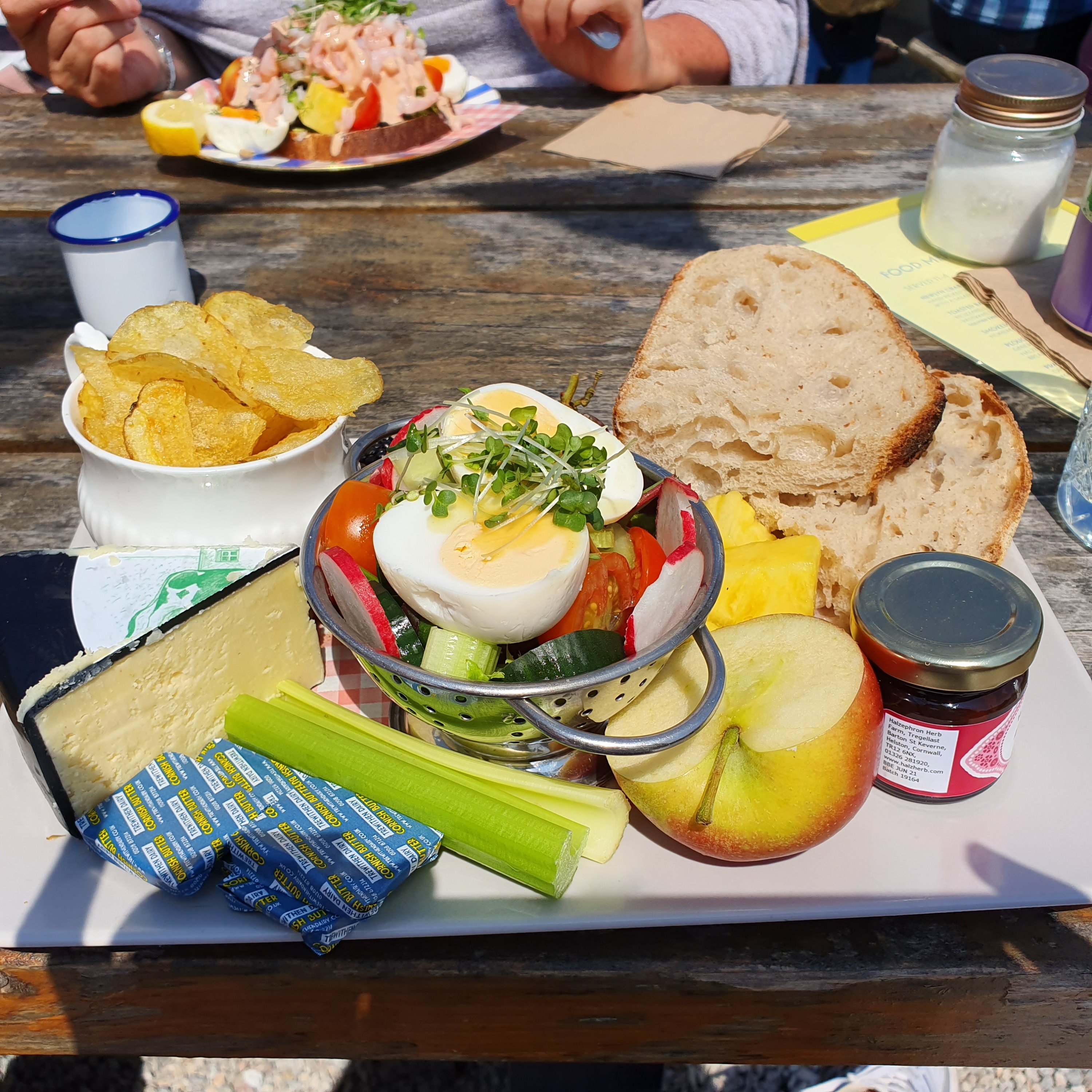
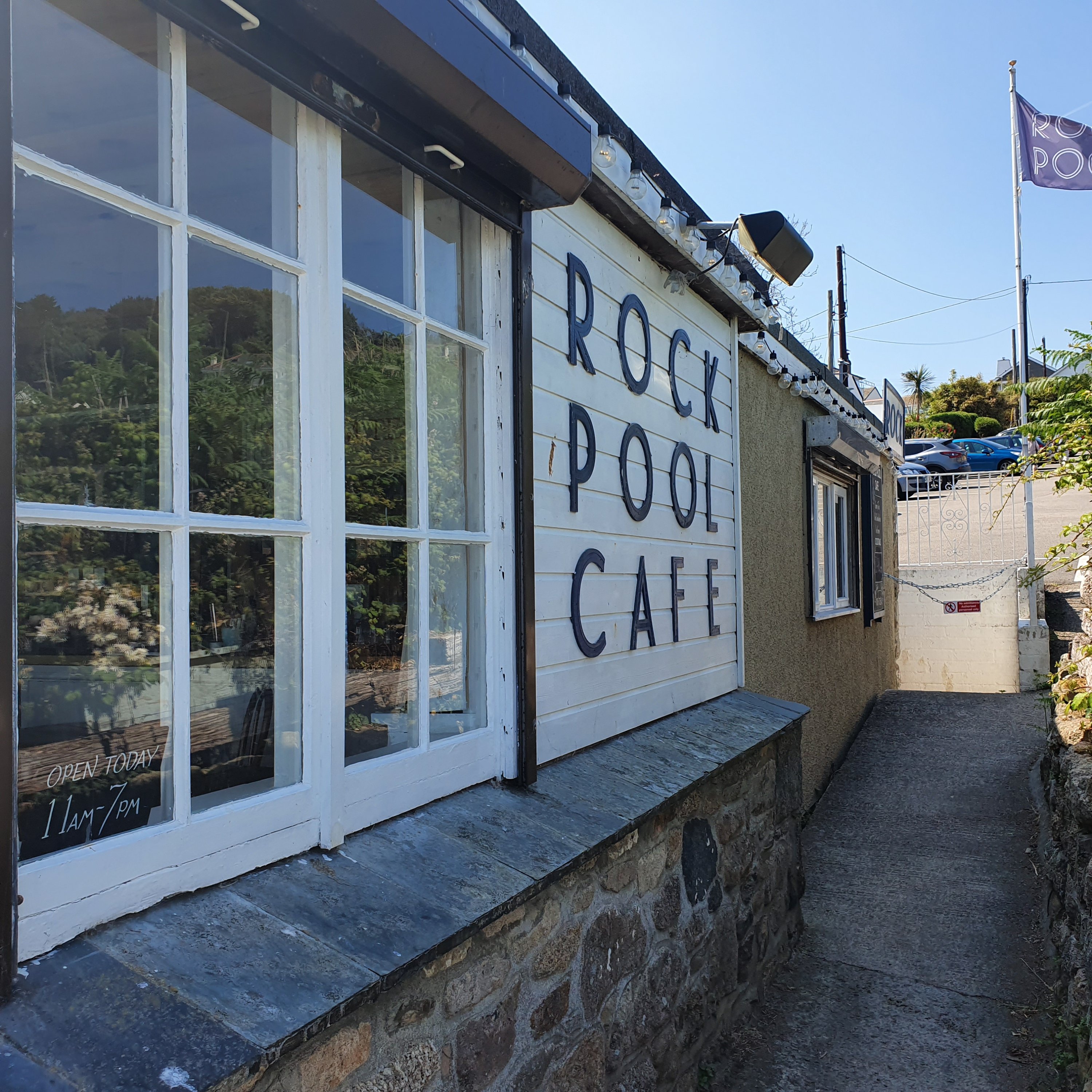
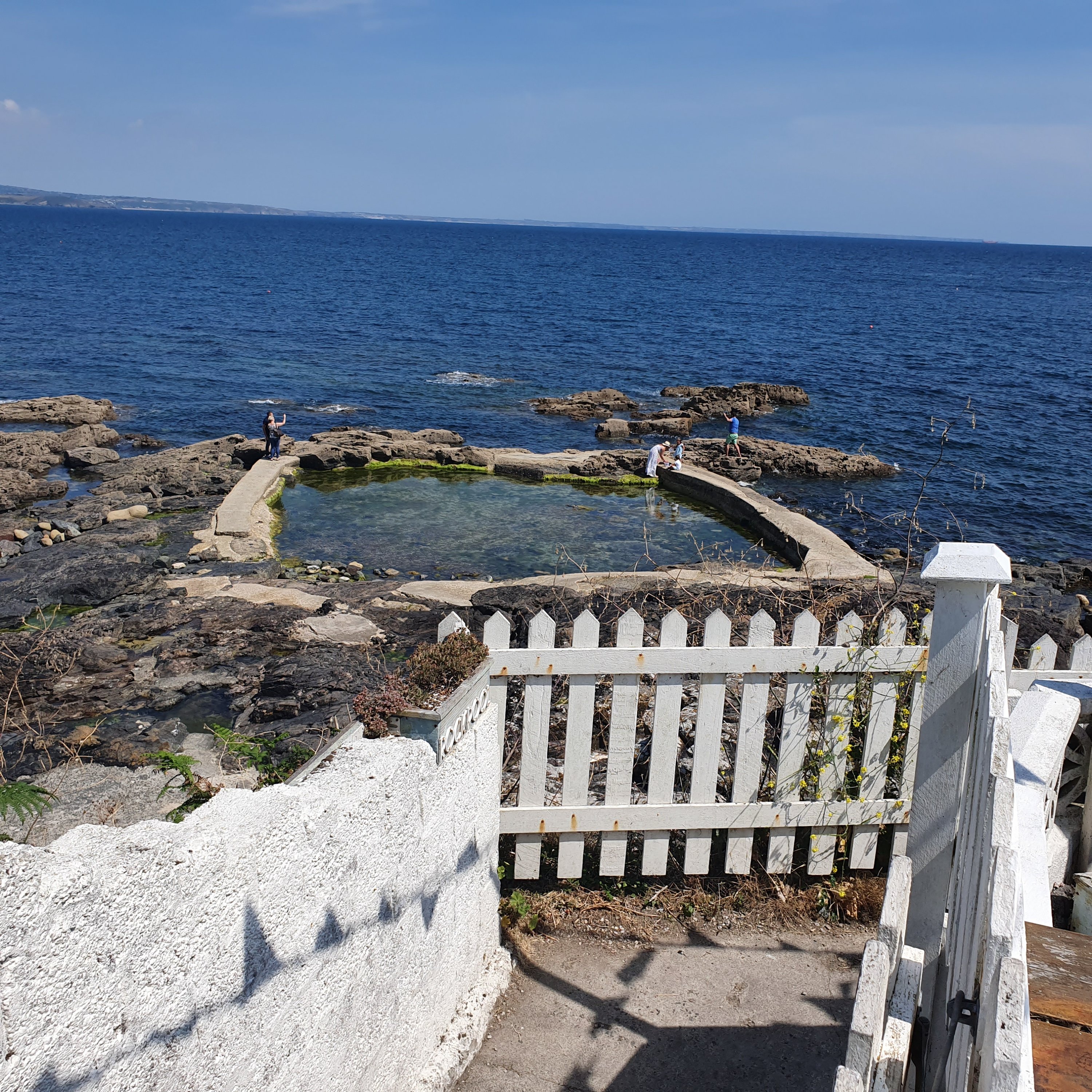
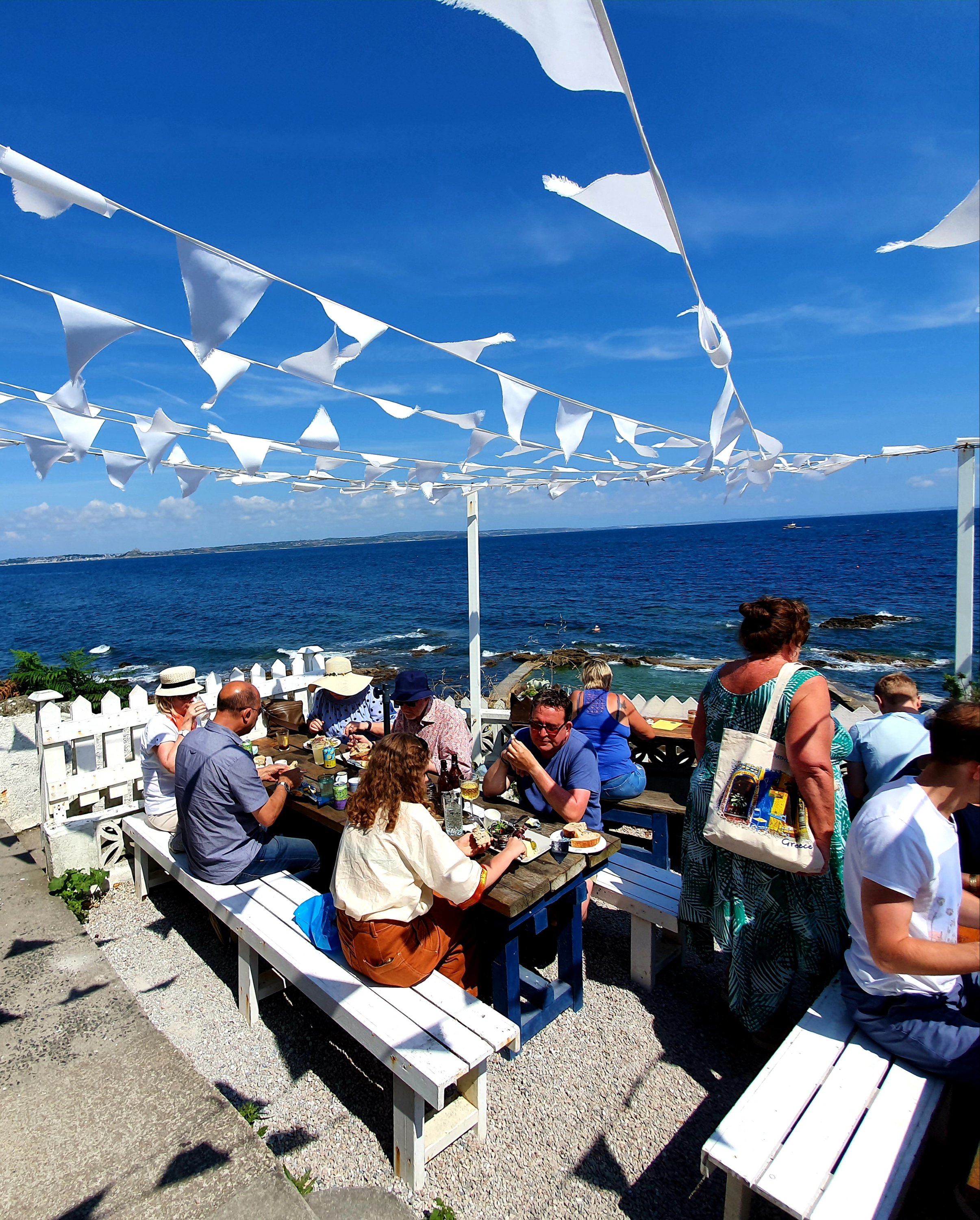
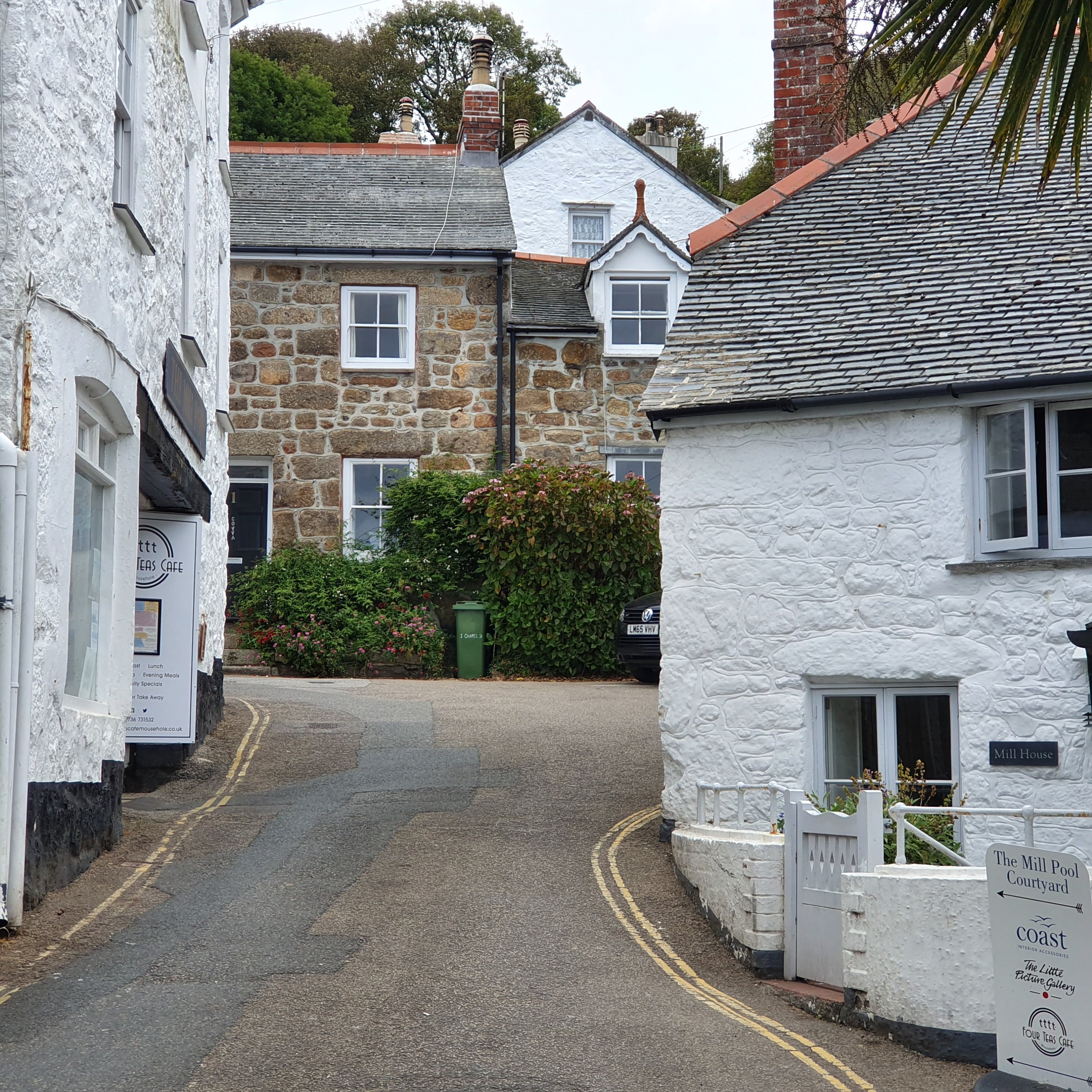
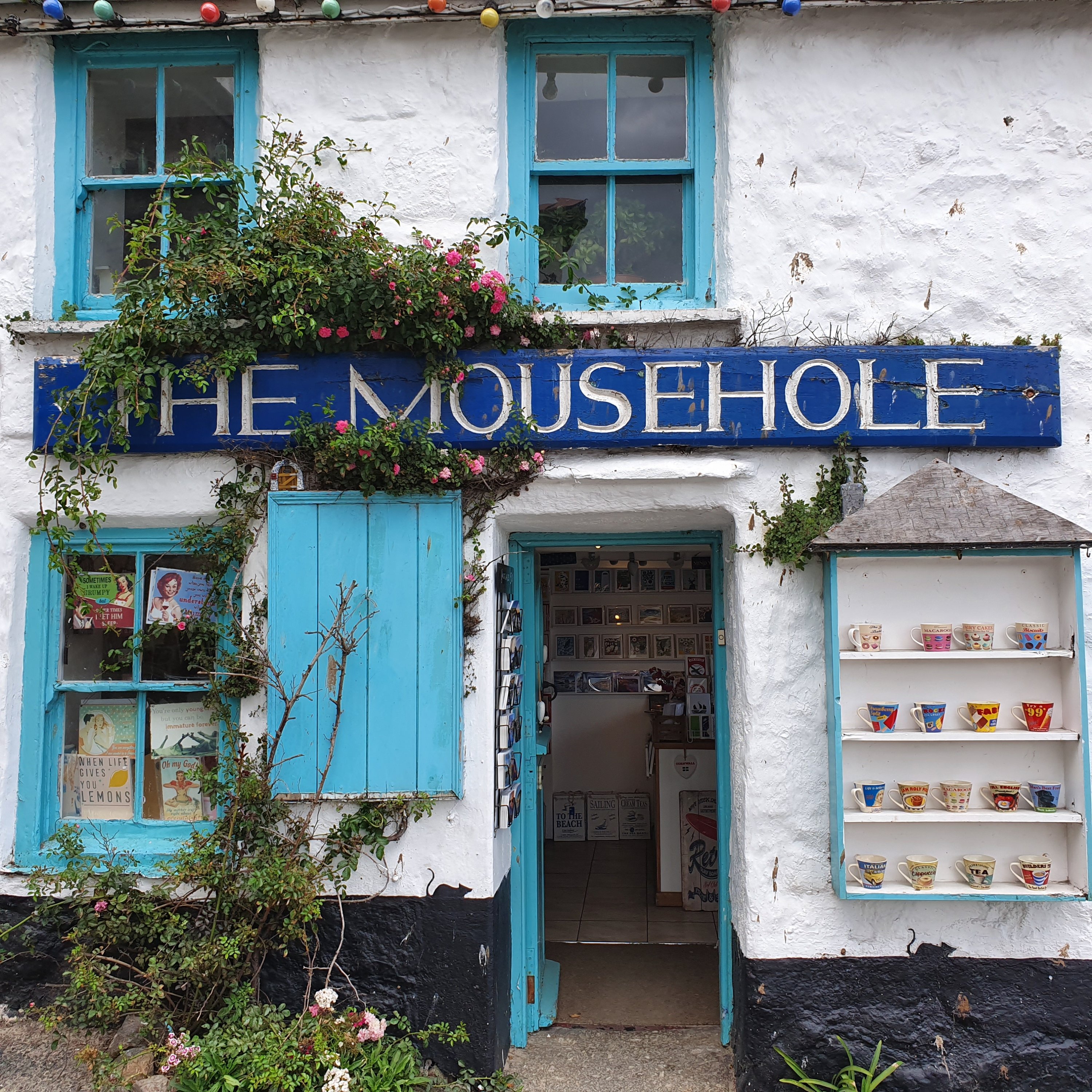
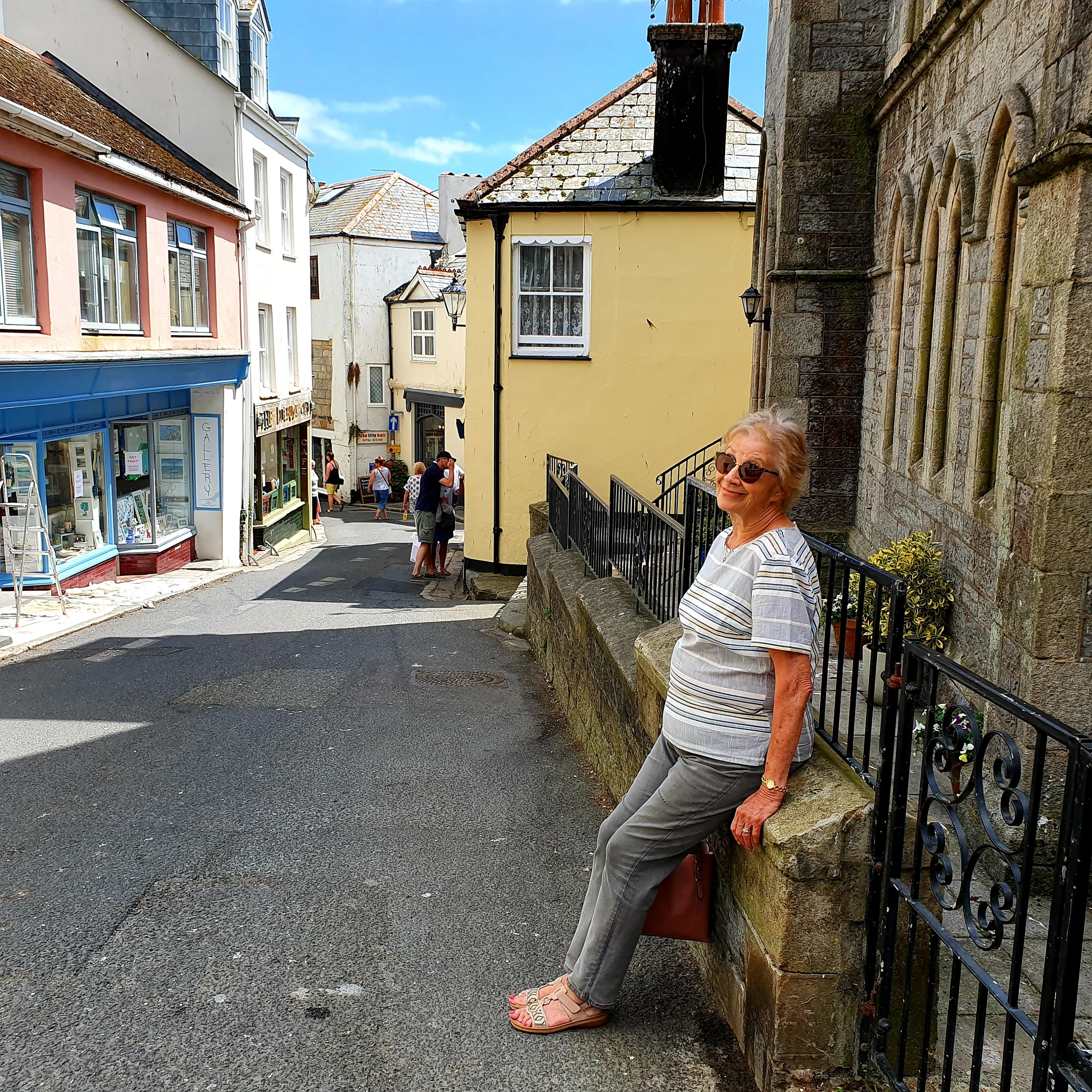
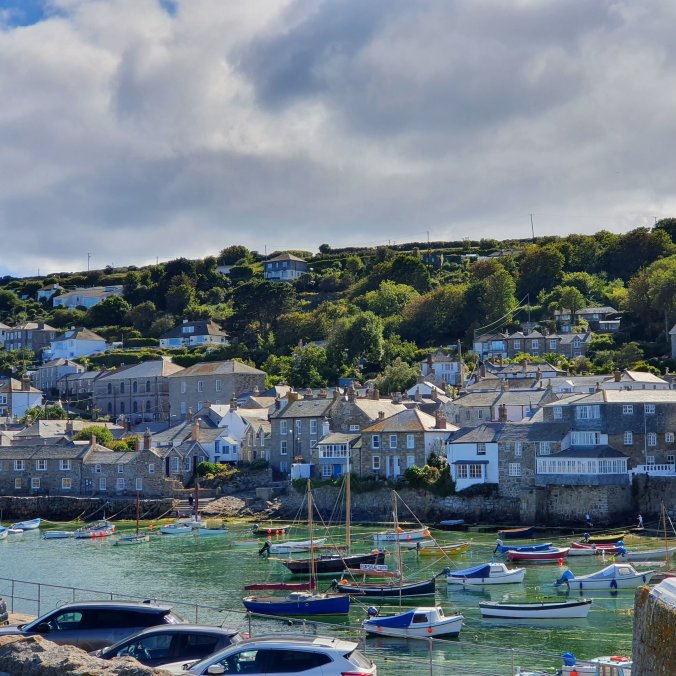
Our next and final destination was Mousehole, another teeny tiny little fishing village with a delightful name (pronounced Mouzle) with THE most narrow streets that we had a heart attack every time we had to get in the car. Somehow the local intrepid bus drivers managed to get their (smallish) buses around those tight corners with confidence and ease and it was very common for cars to have to reverse a fair way to allow them through. We took advantage of these buses to go to the local town of Newlyn after the first night when we ended up eating toast for dinner as the three local restaurants in Mousehole were fully booked! We hastily booked ourselves in for the rest of the trip and never went without again! We fell particularly in love with The Rockpool Cafe which is a little stone cottage come tearooms perched above the rockpool with the best ocean outlook you could wish for. White bunting fluttered in the breeze and we enjoyed everything from cream teas to prawn sandwiches and ploughman’s lunches to pre dinner cocktails here, occasionally having to fend off a particularly brave and intrepid seagull. They became a symbol of my Cornish holiday after a while, seeing them wheeling in the blue sky and hearing their cries from the minute you wake up in the morning, even during the night as they never seem to sleep? I’m guessing the locals aren’t quite so fond of them judging by the amount of various shiny moving things used to keep them off the garden/walls/garages/cars that we saw literally everywhere!!
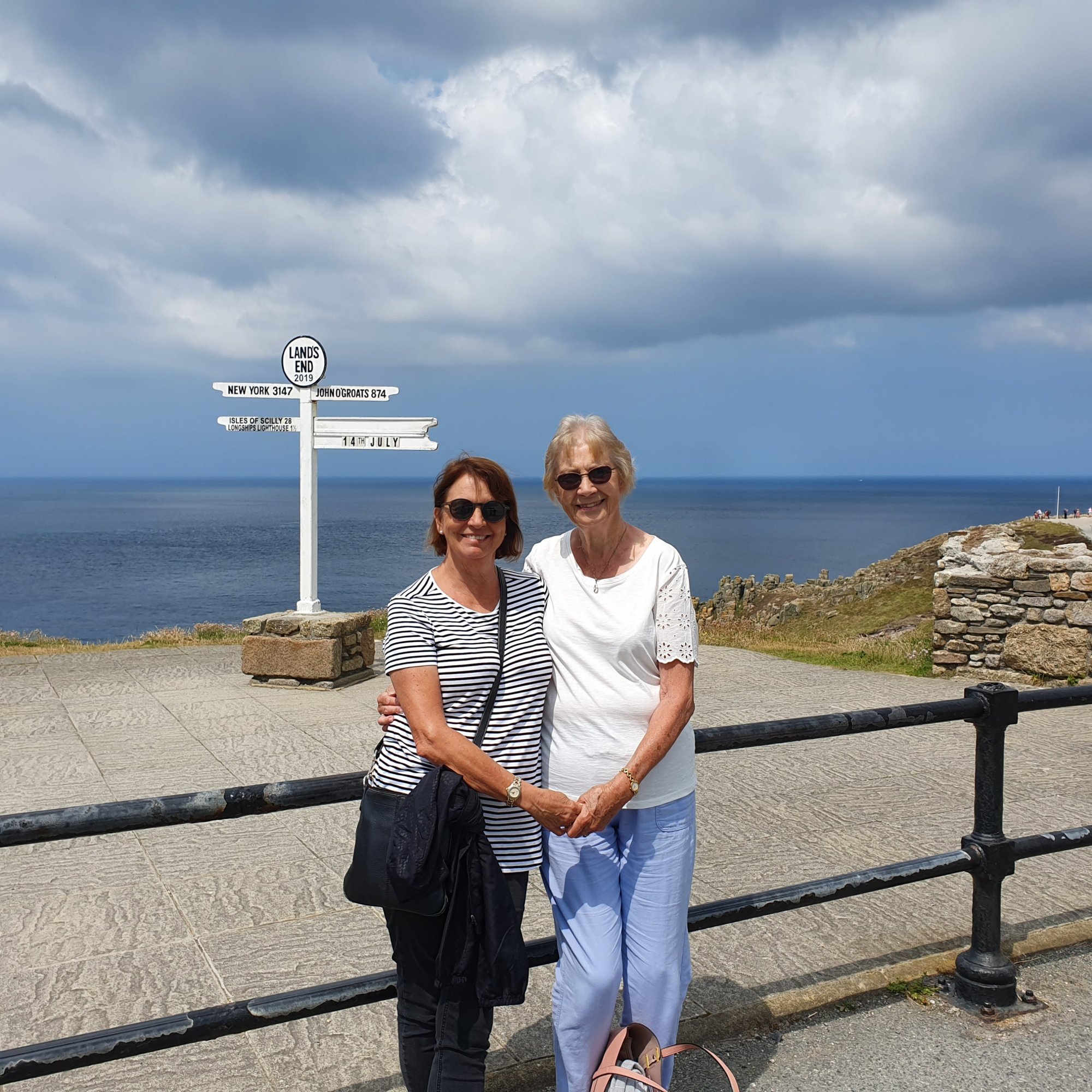
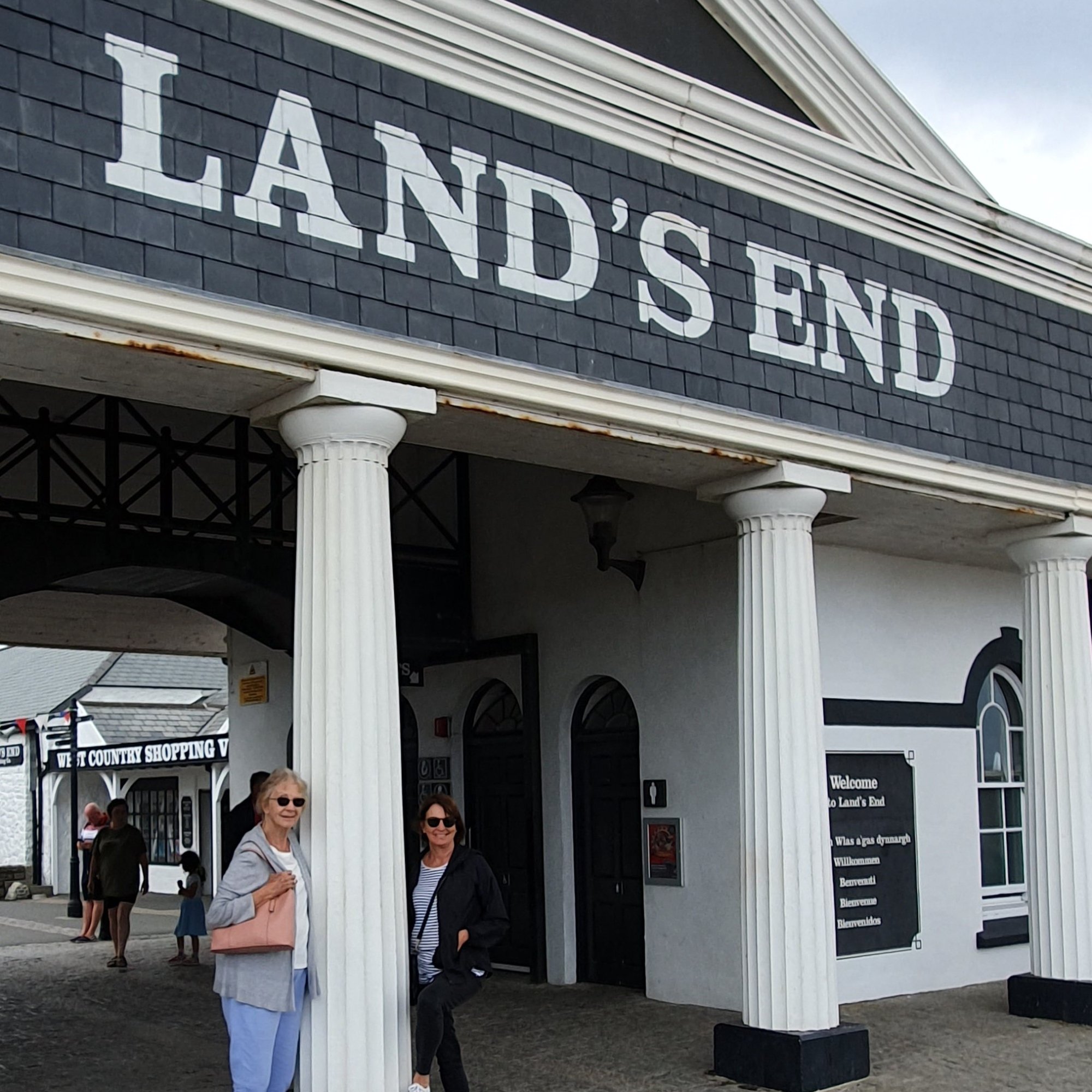
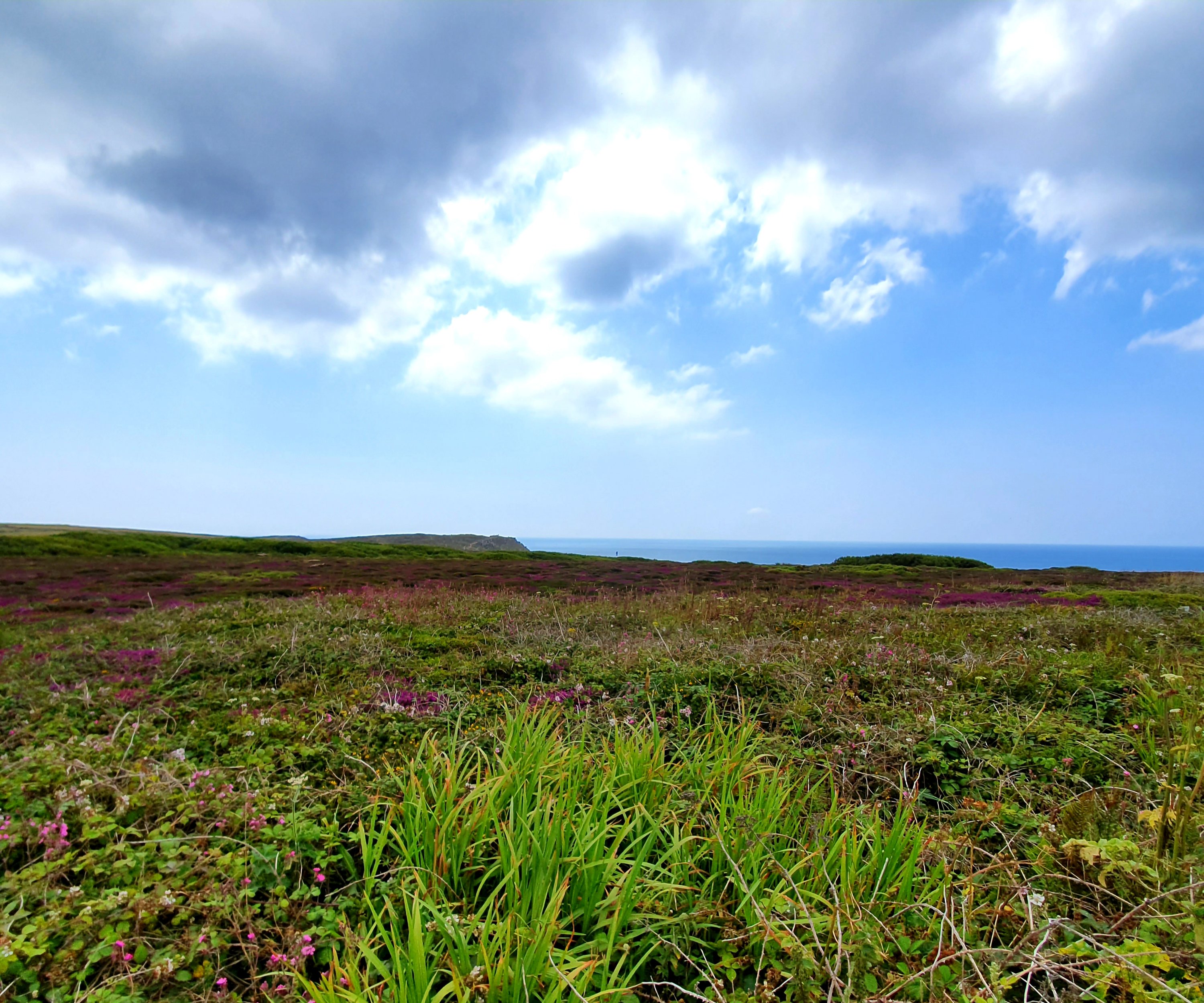
Mousehole is very close to Penzance and Lands End which is literally the end of the British Isles so we headed out in the car to have a look. We finally came face to face with The Moors of which I had heard so much, they are basically extensive grassy plains with loads of heather, gorse and other low lying vegetation kept thus by the wind whistling over it. They would be very bleak in winter but I found them pretty in the summer sunshine! There is always something a bit wistful about being at the beginning or end of a country and it holds a symbolism for a lot of people e.g walking from Lands End to John O’Groats or sailing from Lands End to the Scilly Isles. Beginnings and Ends. Both very important.

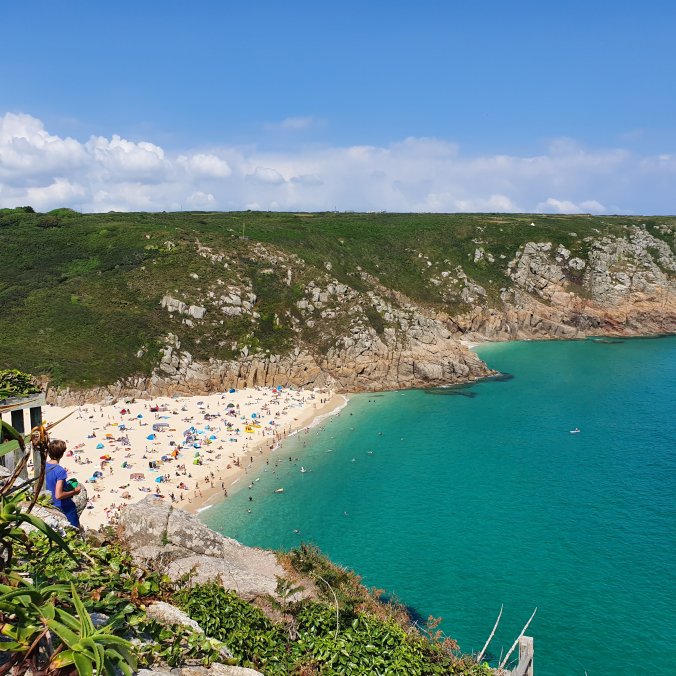
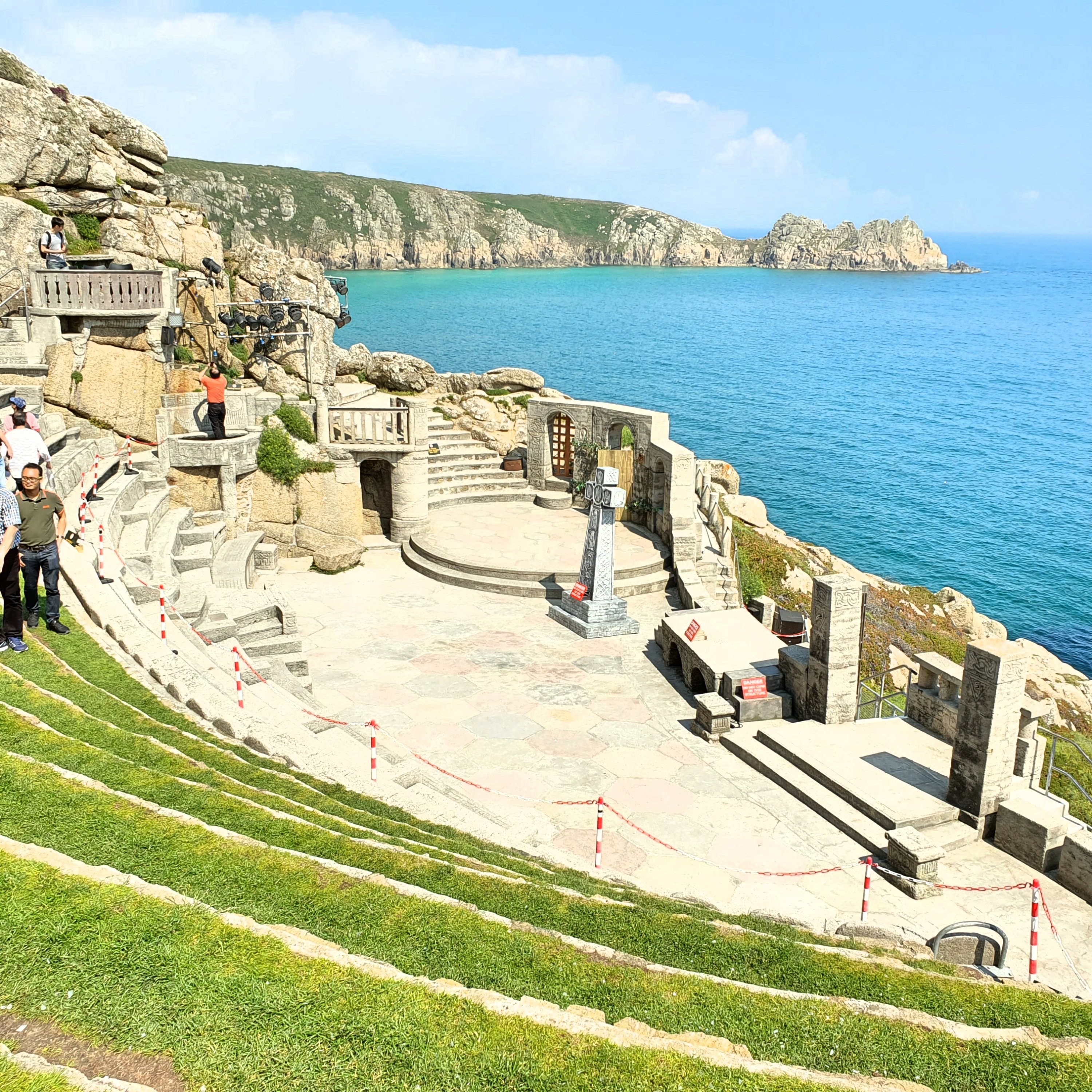
On the way back to Mousehole we swung by the Minack Theatre. We had heard a lot about this famous outdoor theatre and it did not disappoint. It is located near some of the most incredible beaches and turquoise water, it was hard to believe we were in England and not the Mediterranean!
The idea for the theatre was born when Rowena Cade, who lived in Minack House at the top of the cliff, decided to create a place for local drama enthusiasts to perform Shakespeare’s The Tempest. Over the winter of 1931 and into 1932 Rowena and her gardener, Billy Rawlings, moved endless granite boulders and earth, creating the stage and the lower terraces of the theatre, in the same place as you see them today. The first performance was in August 1932. Over the past 80 years, the theatre has evolved into today’s professionally-equipped venue which brings the very best amateur and professional theatre to the far west of Cornwall. Rowena Cade’s unique vision is thriving, and today’s audiences continue to experience the magic of live theatre in this amazing place.

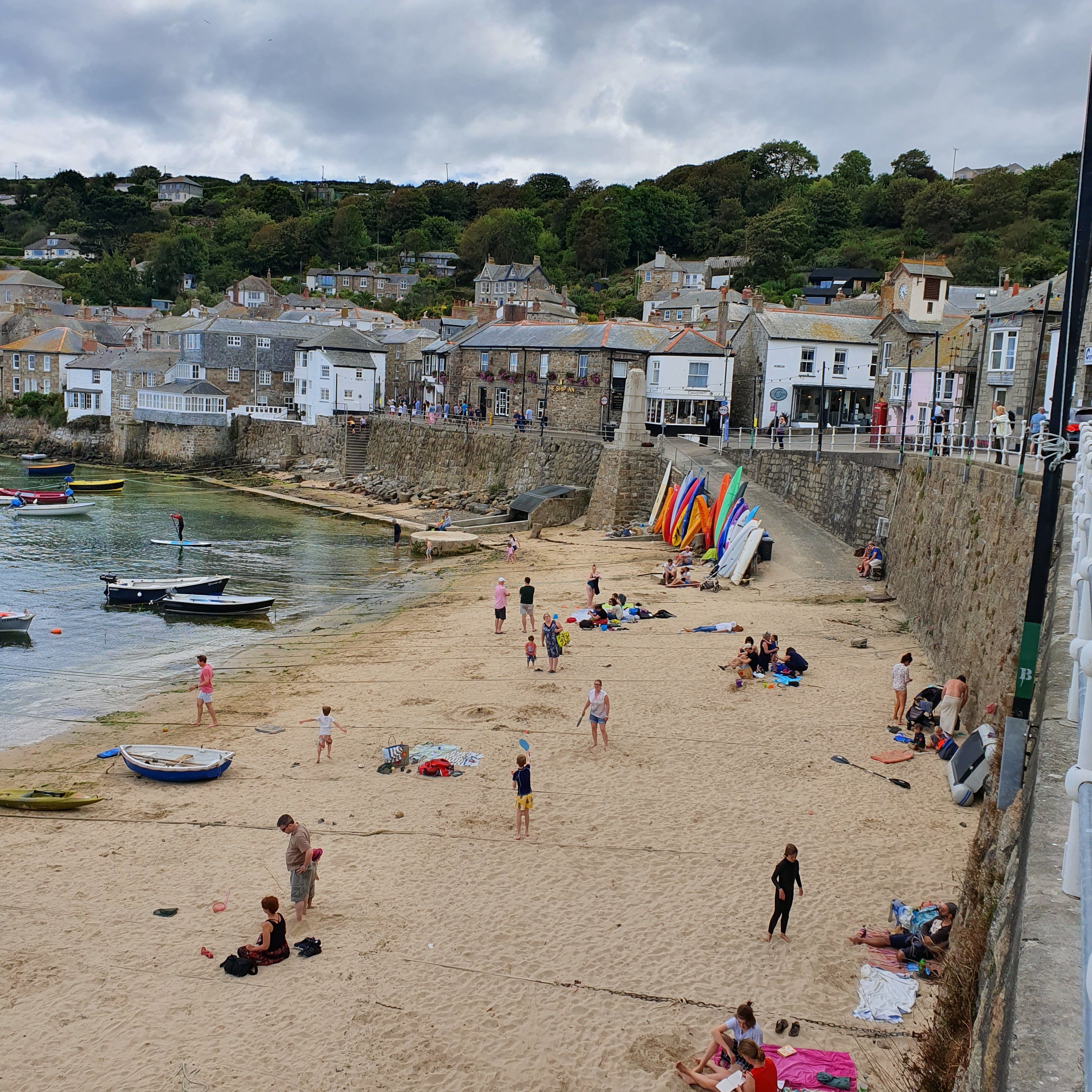
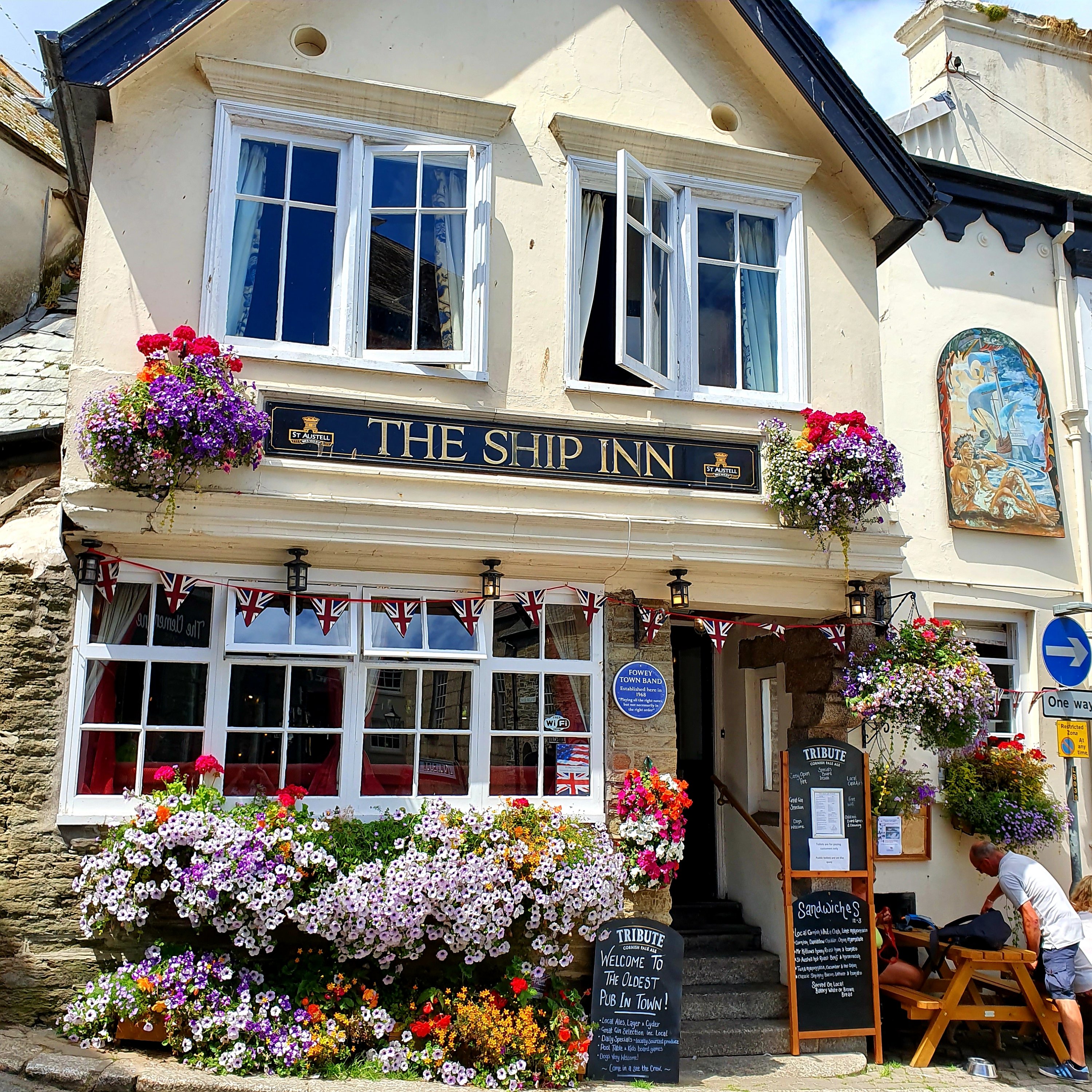
Back to Mousehole and an evening aperitif on our rooftop terrace overlooking all the different coloured roofs cascading down the hill (which cleverly gives everyone a peek of that beautiful blue sea) before toddling down that same hill to dinner! There are a few small galleries and a tiny shop for your viewing pleasure and a fabulous deli/cafe which does a roaring trade down on the harbour. Apart from that life just carries on as it has always done, fishing boats come and go, supplying locals and Londoners alike and the locals roll their eyes as the tourists come in their droves in their big city cars, getting stuck on the narrow streets and making a lot of noise! They must breathe a sigh of relief when the summer ends and we all go home! We were very pleasantly surprised that the crowds were NOT huge, school holidays had not yet begun and we feel that despite people being around it wasn’t to the degree that it would have been a few weeks later!
The other thing on our ‘To Do List’ was to visit St Michael’s Mount, a thirty minute drive from us and a rather spectacular sight accessible at low tide. Originally the site of a Benedictine Chapel, the castle on the rock dates from the 14th Century. Perched on top of a great granite crag, St Michael’s Mount rises majestically out of the sea in Mount’s Bay. It is an island at high tide and a romantic sight. The island has a small harbour on its northern shore, with picturesque houses, shops and restaurants. The island is approached via a causeway at low tide, or by boats, which land in the harbour. It is so similar to Mont Saint-Michel in Normandy which bears the same name and is also a Benedictine Monastery on an Island that can be reached at low tide! As they say – imitation is the sincerest for of flattery!

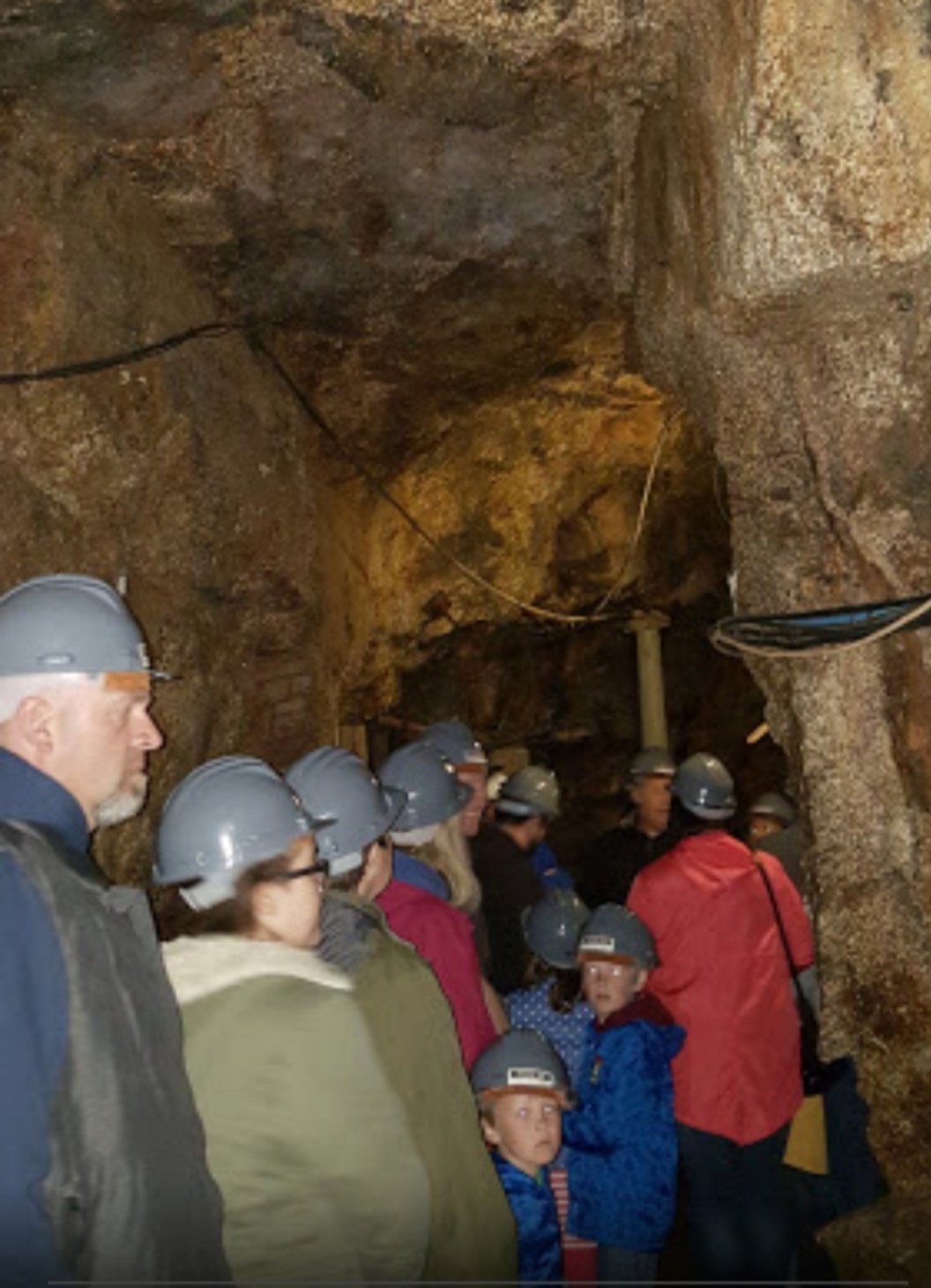
You can’t be in Poldark country and not go and visit a tin mine! You can see the remnants of mines scattered everywhere, their brick chimneys rising from the rocky cliffs near the ocean as well as across the moors. They have all shut down now but there is talk some may re open to look for lithium! The Poldark mine (so named because they filmed some of the series here, Francis “died” here for those who watched that far back!!) and has a great tour of the old mine that we took. It was cold, damp and dark and it would have been a dreadful job back in the day but they would have been so grateful for the chance of a job and some money for their families. So many young men died because of the coal dust that got into their lungs and many walked 3 miles each way to and from work as well as going underground on ladders for sometimes another hour to get to the working face with all their equipment etc so it wasn’t for the faint hearted!! We were very proud of Mum who at 83 is apparently the oldest person to ever do the tour. It involved quite a lot of steps and very low overhangs and she was amazing as always taking it all in her stride!


So after a lovely full 10 days with two of my most favourite people in the world we had to say farewell to Cornwall and head back to reality. It really was so very special to have this time with my family as being on the other side of the world means we have had literally a handful of times alone together in the last 30 years! We are all so similar (often all three of us ordering the same dish for dinner!)and get along so well it is a joy to travel together and do the simple things together. Often when we do meet up it’s for a big thing – a wedding, a special birthday or Christmas and although that is fantastic it’s not what I call real life. This trip was wonderfully simple, thoroughly relaxing and fed my soul beautifully! I had a lovely catch up with my niece and her gorgeous kids (who hopefully one day will make the trek to Australia on their gap year?) and we chatted about just about everything from the old days to new things still to come and it was just what I had hoped for. Thank you so much girls xx
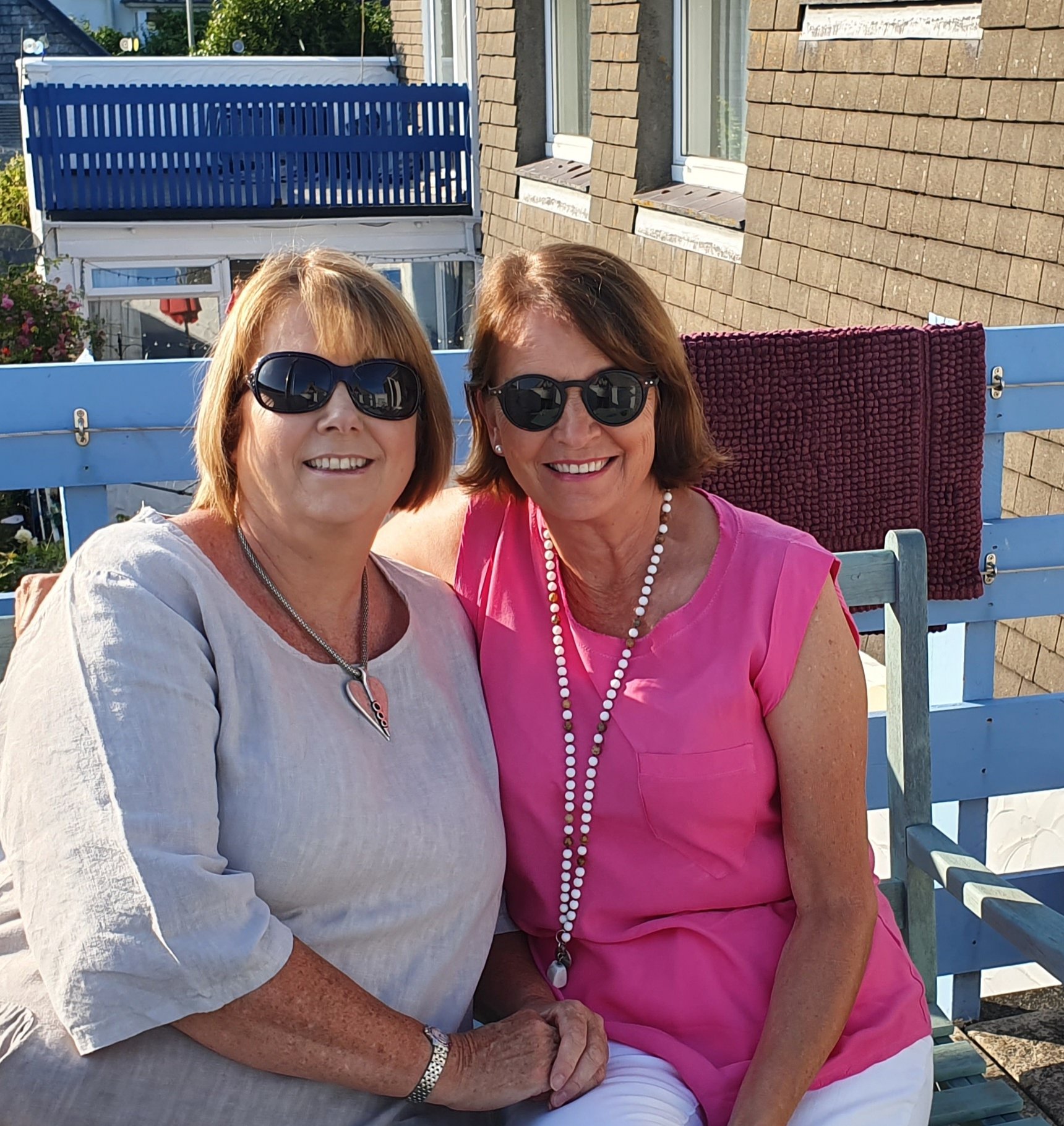
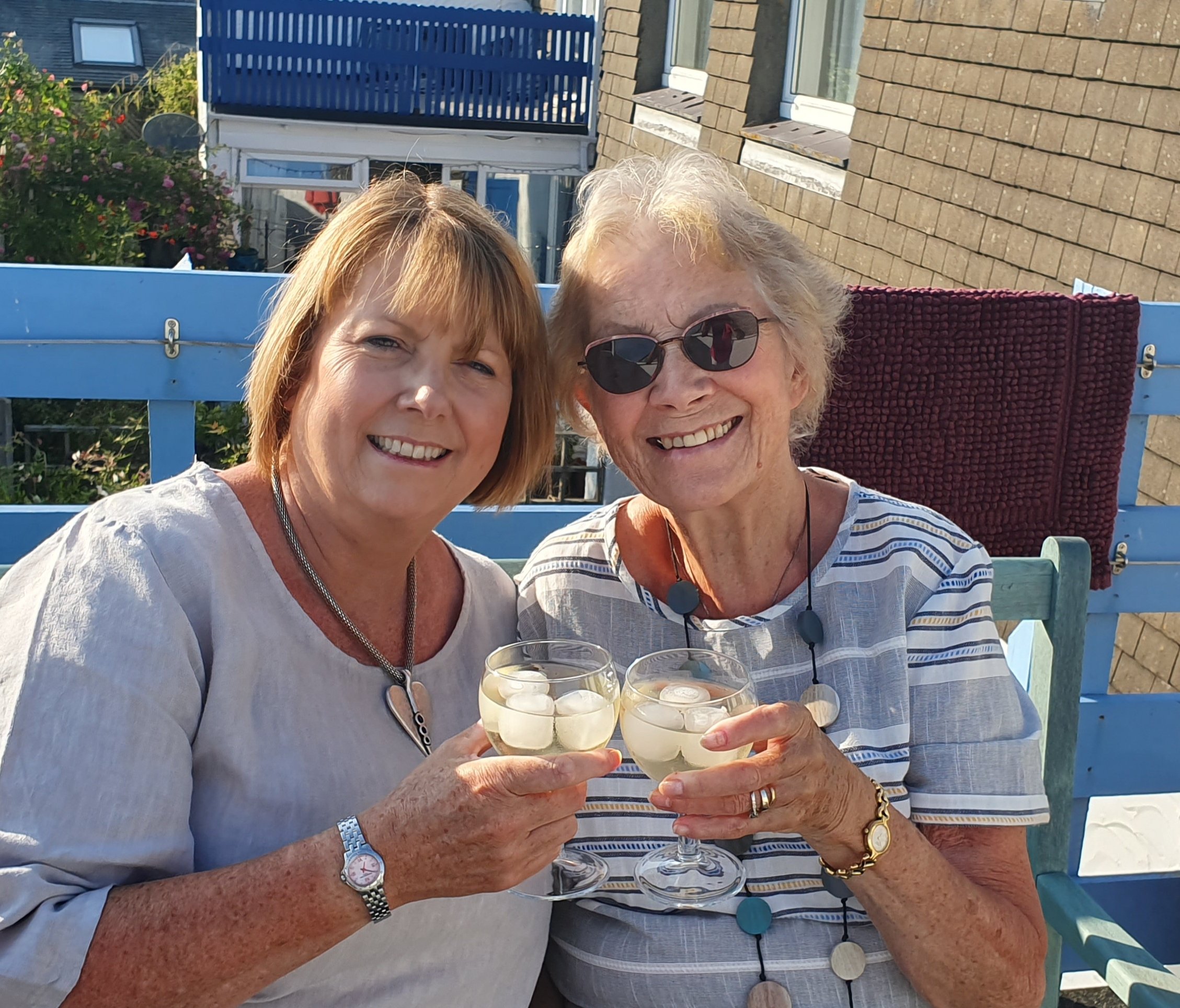
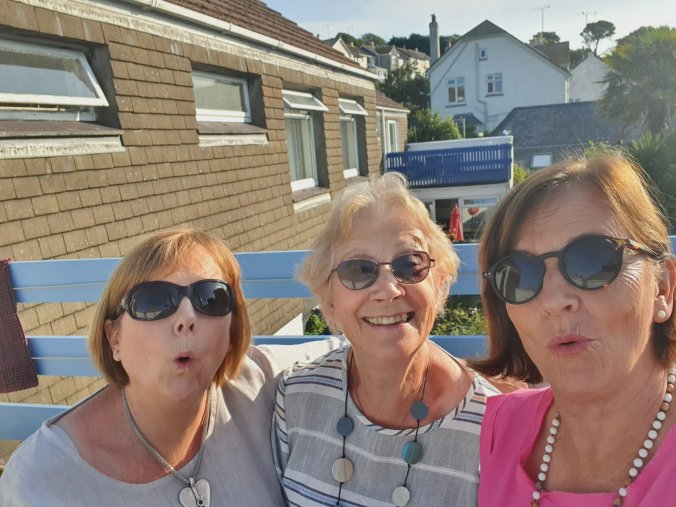
*** Please note Mum is blissfully unaware of our unladylike behaviour

 My Move To The Meadow
Haha that was a biggun!!! So beautiful xxx
Get Outlook for Android
________________________________
LikeLiked by 1 person
“To bimble around…” I love your quaint English expressions Susie. Lovely to see you have preserved them despite years of being surrounded by Aussie slang!
LikeLiked by 1 person
I’m hanging in by my fingernails Annie!! Sometimes I think I speak a weird kind of Aus/English mix that doesn’t belong in either continent!!
LikeLike